
Desert Stalker
Play Desert Stalker
Desert Stalker Screenshots
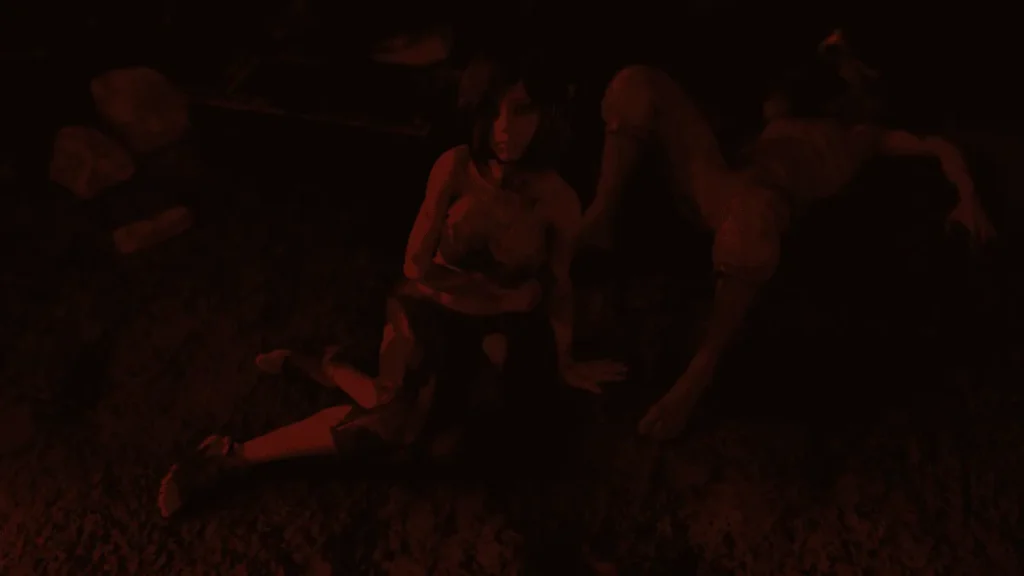


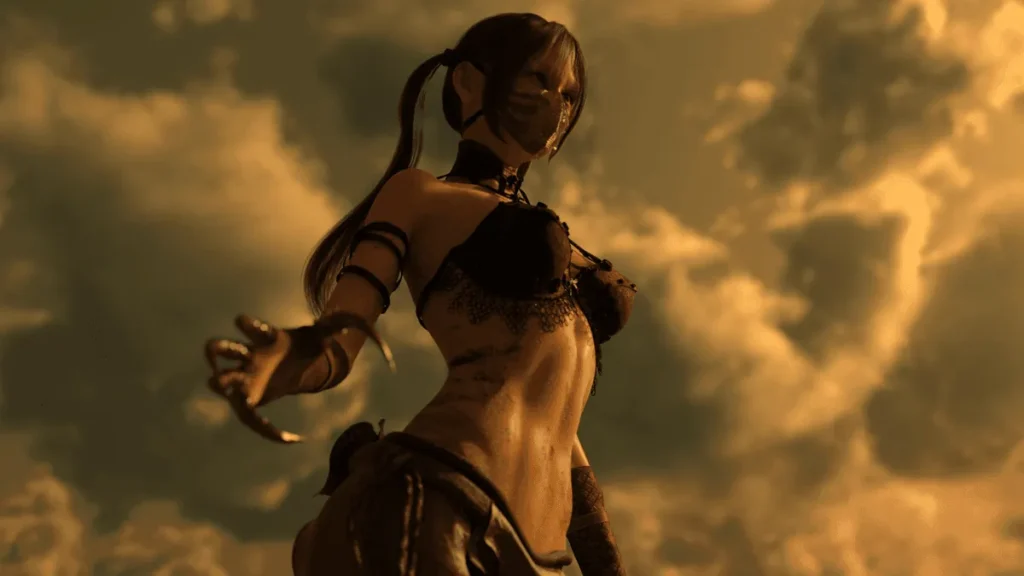
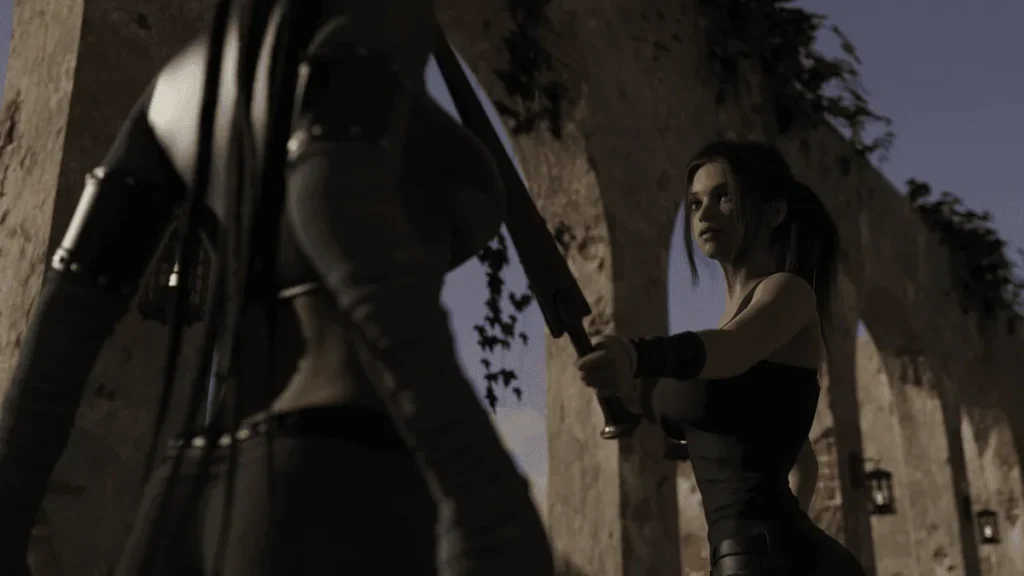


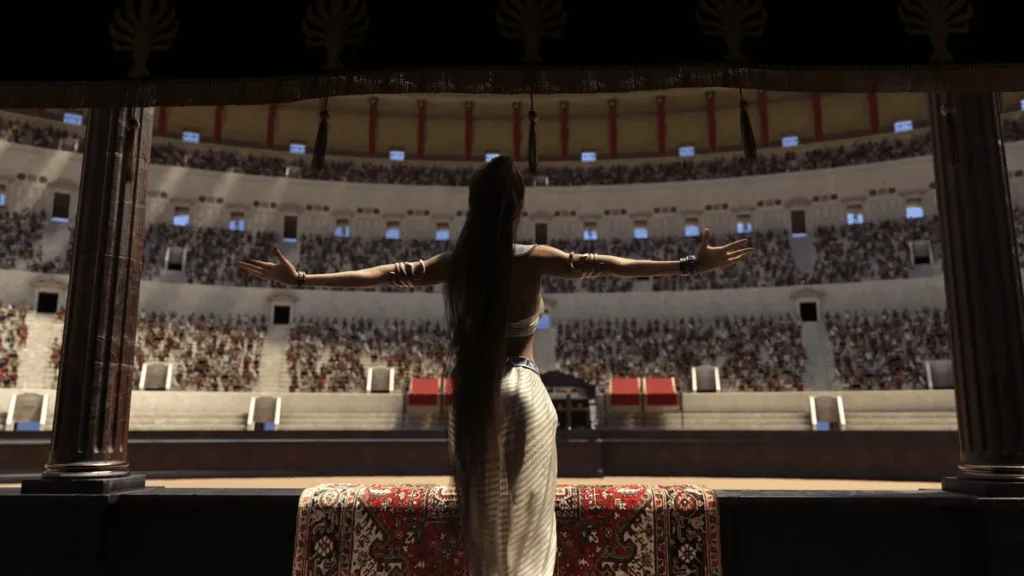
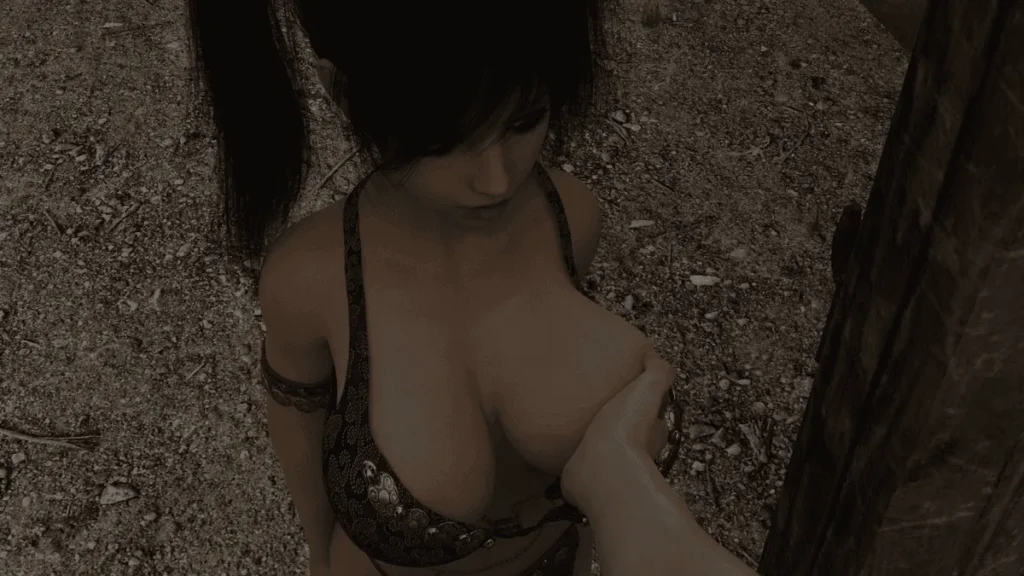
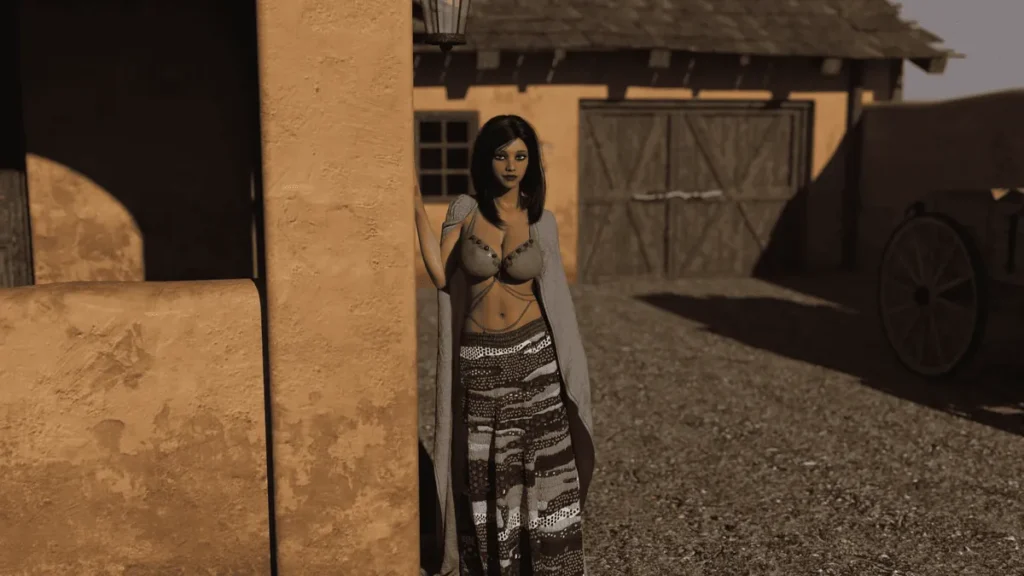

Desert Stalker review
Explore the immersive post-apocalyptic narrative experience with strategic choices and character relationships
Desert Stalker stands out as a narrative-driven experience set in a post-apocalyptic Egyptian wasteland where players assume the role of an antiquity scavenger. This richly developed title combines cinematic storytelling with player agency, allowing you to shape your journey through meaningful decisions and character interactions. Whether you’re drawn to the gritty dystopian setting, complex character relationships, or the freedom to customize your playthrough experience, Desert Stalker offers a unique blend of immersive narrative and interactive gameplay that has garnered significant praise from players worldwide.
Understanding Desert Stalker: Gameplay Mechanics and Core Features
Let’s be honest: when you first boot up a post-apocalyptic narrative game, you might expect certain things. A grim, dusty world ✅. Scavenging for resources ✅. Maybe some turn-based combat or a tricky survival crafting system. But what I found in Desert Stalker was something entirely different—and far more captivating. It’s a game that trades complex button combos for the weight of a single decision, and swaps out sprawling, empty maps for a story that feels intensely personal. If you’re here, you’re probably wondering how it all works. Buckle up, because we’re diving deep into the heart of its design.
This chapter is your guide to understanding the Desert Stalker gameplay mechanics that make this experience so memorable. We’ll peel back the layers of its unique narrative engine, explore how every choice you make echoes through the wasteland, and see how it masterfully blends freedom with a directed story. 🏜️
What Makes Desert Stalker’s Narrative Structure Unique?
At its core, Desert Stalker is a visual novel with choices, but that label alone doesn’t do it justice. It’s like calling a symphony “just some notes.” The genius lies in how it structures its storytelling. Instead of a purely linear path, the game operates on a “hub-and-spoke” model. Think of your main camp as the heart of your operations—a place to breathe, talk to your family, and plan your next move. From there, the story unfolds in chapters, each presenting a key location or scenario in the wasteland.
Here’s where the magic happens: within each chapter, you often have a degree of free-roam storytelling experience. You might arrive at a derelict factory with a main objective, but the environment is littered with optional interactions, smaller stories, and character moments. You can choose to beeline for the goal, or you can spend time exploring every nook, uncovering hidden lore, and initiating side conversations that profoundly affect your Desert Stalker character relationships.
I remember one early trip to a trading outpost. My journal said “secure water filters.” A linear game would have sent me to a vendor, maybe done a quick trade minigame, and that’s it. In Desert Stalker, I arrived and overheard an argument in a corner. I could ignore it and find the vendor, or intervene. I chose to listen, and it spiraled into a multi-step side story about a stolen heirloom. By the end, I not only had my filters, but I’d also gained a new, deeply grateful contact who offered me better prices and vital information later on. That’s the game’s narrative structure in a nutshell: your curiosity is directly rewarded with deeper world-building and tangible benefits.
This approach creates an incredible pace. You control the rhythm. Want a tense, action-focused session? Pursue the main thread. Want a slower, more character-driven evening? Hang around camp, help someone with a personal problem, or just share a drink and watch the sunset. This balance is the secret sauce that makes the post-apocalyptic narrative game feel less like a script you’re following and more like a life you’re living.
How Do Player Choices Shape Your Desert Stalker Experience?
Alright, let’s talk about the engine room: the Desert Stalker decision system. This isn’t your standard “good vs. evil” morality slider. The wasteland in Desert Stalker is a murky, pragmatic place, and the game reflects that beautifully. Your choices rarely feel like obvious “right” or “wrong” picks. Instead, they ask: What kind of person are you in this brutal world? Are you a protector, using your strength to shield the weak? Or are you a ruler, demanding respect and submission to ensure your family’s survival? 🛡️ vs. 👑
The Desert Stalker player choices impact is staggering and operates on multiple levels:
- Immediate World State: The most direct impact. Do you spare a desperate thief or put them down as an example? Your decision can literally determine if a character lives, dies, or becomes a recurring part of your world.
- Character Perception: This is where Desert Stalker character relationships are forged or broken. Every major character has a hidden “relationship meter” that tracks their view of you—Trust, Fear, Respect, Disgust. Helping someone in need might build Trust with your companions, while a ruthless, dominating action might instill Fear in an enemy, making them compliant, but also breeding resentment. I once chose a brutally pragmatic solution to a hostage situation that secured needed supplies, but my more compassionate companion didn’t speak to me for the next in-game week. The silent treatment in a video game had never felt so real!
- Long-Term Narrative Branching: Choices compound. Helping a faction early on might mean they provide you with support during a major crisis chapter later. Conversely, burning bridges can close off entire storylines and force you to find harder, more dangerous paths forward.
The game is also incredibly respectful of your personal comfort. It understands that players have different preferences for their adventure. This is where its customization options shine. Before you even start, you can tailor the experience through detailed content filters. Want a gritty, relationship-focused survival drama without certain mature elements? You can toggle them off. Prefer a story that includes all the optional romantic and “harem” subplots? You can enable that path. This isn’t just about censorship; it’s about personalization. You get to decide the tone and boundaries of your own story, making the Desert Stalker gameplay mechanics uniquely adaptable.
Pro Tip: Don’t reload saves immediately after a “bad” choice! Some of my most memorable and poignant moments in Desert Stalker came from dealing with the unintended consequences of a quick decision. The game’s story is robust enough to weave your failures into its tapestry, often creating a more compelling personal narrative than a “perfect” run.
Exploring the Free-Roam and Linear Storytelling Balance
So, how does Desert Stalker stitch together its open exploration and its cinematic story? 🤔 It’s a masterclass in pacing. The game expertly oscillates between moments of player-driven exploration and intense, linear narrative sequences.
Free-Roam Phases: These are your opportunities to breathe and engage with the world on your terms. In camp or in certain exploration zones, you can:
* Talk to any character at your leisure, unlocking personal quests and dialogues.
* Pursue side objectives and scavenge for extra resources.
* Use “relaxation” mechanics—simple, calming interactions that build bonds and offer a respite from the wasteland’s tension.
* Simply observe and soak in the atmosphere, which is greatly enhanced by a stellar, adaptive soundtrack that shifts from lonely ambience to tense strings based on your location and situation.
Linear Story Beats: When the plot needs to kick into high gear, the game seamlessly takes the reins. You’ll enter carefully directed sequences—tense negotiations, desperate escapes, or emotional confrontations—that play out with the focus of a cinematic scene. Your agency here isn’t about movement, but about dialogue and critical choices. The Desert Stalker decision system is front and center, with timer-based choices that force you to trust your gut, making these moments incredibly impactful.
This balance prevents fatigue. The free-roam sections satisfy that itch for exploration and agency, while the linear sequences deliver a powerful, directed punch to the story that a purely open structure might dilute. It ensures that every major plot point lands with maximum emotional and narrative weight.
To help visualize how you can control this experience, here’s a breakdown of the key modes and filters at your disposal:
| Playstyle Focus | Core Description | Ideal For Players Who… | Key Customization Filters |
|---|---|---|---|
| The Guardian | A story centered on compassion, protecting the weak, and building a community through trust. Focuses heavily on narrative and Desert Stalker character relationships. | Enjoy deep character arcs, moral dilemmas, and a more hopeful strand of post-apocalyptic fiction. | Can emphasize relationship-building choices and may use filters to tailor romantic subplots. |
| The Stalker | A gritty, pragmatic adventure focused on survival, dominance, and securing your family’s future by any means necessary. Choices lean towards ruthlessness and authority. | Prefer a harder-edged tale where resources and power are the primary currencies, and loyalty is earned through fear or respect. | Might engage with all mature content for a raw, unfiltered wasteland experience. |
| The Explorer | Maximizes the free-roam storytelling experience. Prioritizes uncovering every location, side quest, and piece of world lore, often at a slower pace. | Love getting lost in world-building, uncovering hidden stories, and leaving no stone unturned. | Likely to keep most content enabled to experience the full breadth of the game’s writing and scenarios. |
Ultimately, understanding Desert Stalker gameplay mechanics is about recognizing that your control comes not from a weapon’s crosshair, but from the moral and strategic compass of your character. The game presents you with a rich, atmospheric world and a cast of complex characters, then hands you the keys to the narrative. Every conversation, every mercy shown or denied, and every alliance you forge directly writes the story of your Stalker.
Whether you’re in it for the deep Desert Stalker character relationships, the tension of its unparalleled Desert Stalker decision system, or the unique blend of freedom and focus in its storytelling, this is a post-apocalyptic narrative game that truly puts its faith in you, the player. Your choices aren’t just illusions; they are the very tools you use to sculpt your own unforgettable saga in the sand. ✨
Desert Stalker represents a significant achievement in narrative-driven gaming, combining exceptional storytelling with meaningful player agency in a richly detailed post-apocalyptic setting. The game’s strength lies in its ability to balance cinematic presentation with interactive choice systems, allowing each player to craft a unique experience aligned with their preferences. From its compelling character relationships and atmospheric world-building to its technical quality and responsive developer community, Desert Stalker has earned its reputation as a standout title. Whether you’re drawn to the gritty dystopian narrative, complex character dynamics, or the freedom to shape your own story, this game offers substantial content and replay value. For players seeking an immersive, choice-driven experience with production quality that rivals larger projects, Desert Stalker delivers a memorable journey through a fascinating post-apocalyptic world.