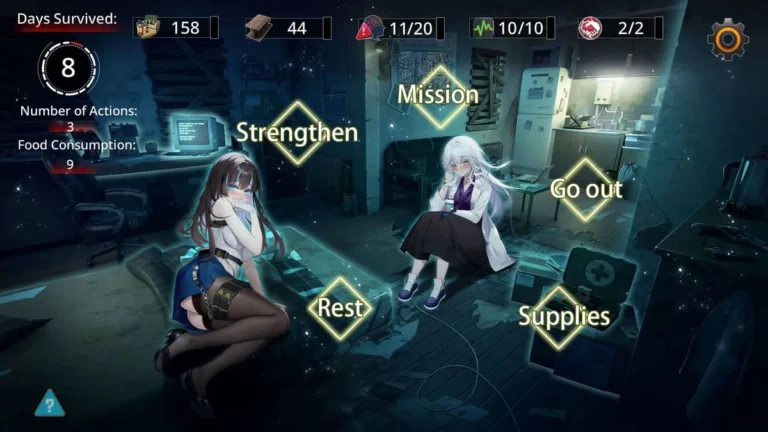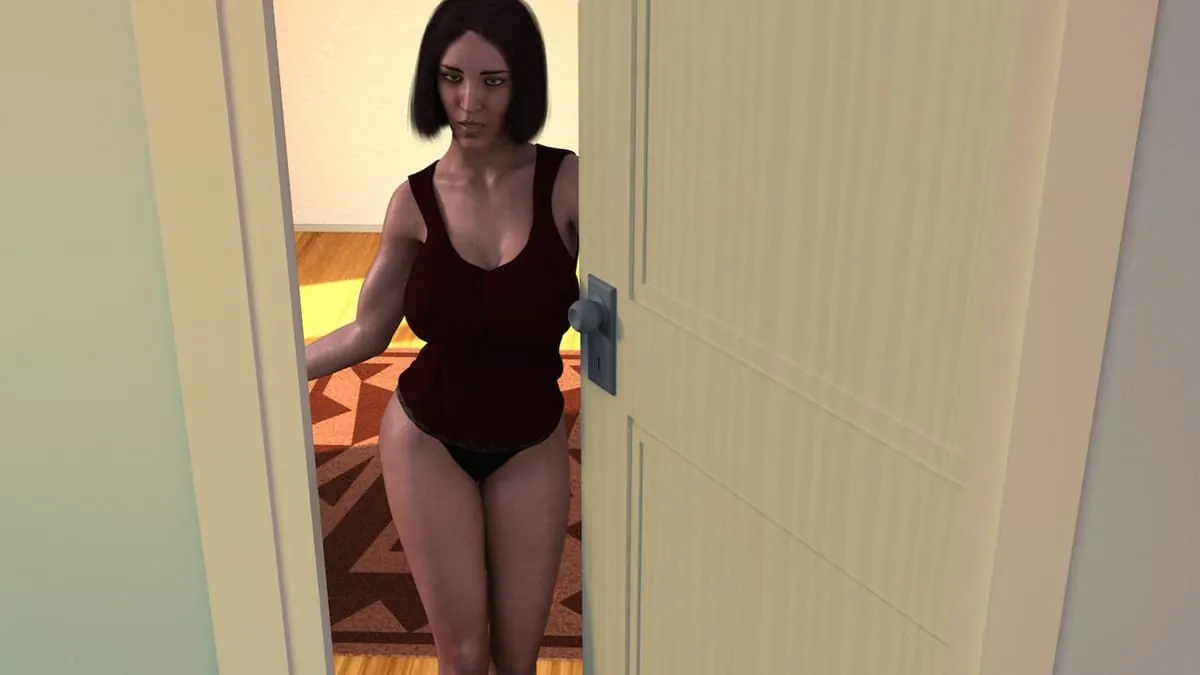
Fatal Countdown – immoral List of Desires Screenshots





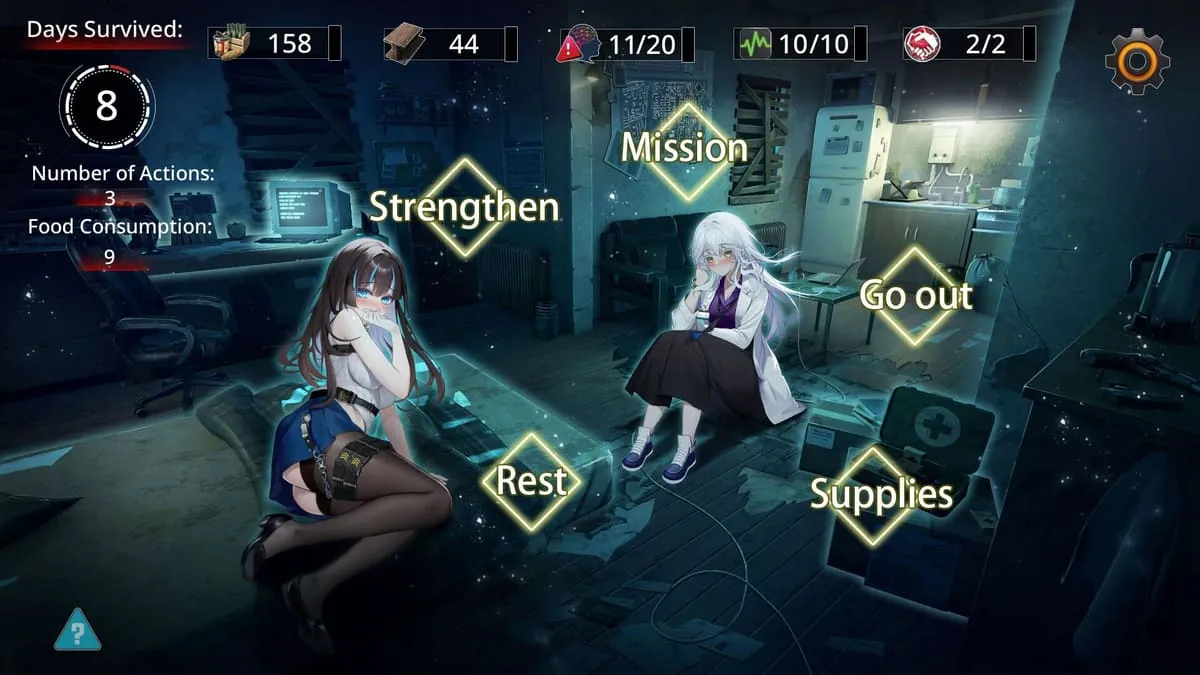
Fatal Countdown – immoral List of Desires review
Explore gameplay mechanics, story elements, and survival strategies in this post-apocalyptic visual novel
Fatal Countdown – immoral List of Desires is a unique survival simulation visual novel developed by Secret Garden and published by Playmeow. Released on April 9, 2024, this game combines resource management with narrative-driven gameplay set in a post-apocalyptic urban environment. Players navigate a city transformed by chaos, managing limited resources while uncovering the story of survival and human nature. With over 80 CGs and animated sequences, the game offers an immersive experience that blends tactical decision-making with visual storytelling. Whether you’re interested in survival mechanics, narrative depth, or the game’s distinctive art style, this guide covers everything you need to know about Fatal Countdown.
Game Overview and Core Mechanics
What is Fatal Countdown – immoral List of Desires?
Let me paint you a picture. 🎨 You’re scrolling through Steam, utterly fed up with the same old blockbuster shooters and sprawling open worlds that demand 100 hours of your life. You want something with heart, with tension, where every choice matters. Then you spot it: Fatal Countdown – immoral List of Desires. The title alone grabs you—it promises drama, stakes, and a story that isn’t afraid to get its hands dirty. Intrigued, you click. What you find is a hidden gem that masterfully blends two genres I love: the narrative depth of a visual novel with survival elements and the tense, strategic planning of a resource management simulation.
Developed by Secret Garden and released on April 9, 2024, this isn’t your typical visual novel. For a very reasonable $10.99, you’re signing up for a raw, emotional journey into a collapsing world. The core premise is brutally simple and compelling: a mysterious, fast-acting virus triggers the total collapse of society. 💀 Governments fall, law enforcement vanishes, and you’re left in a quarantined city with a small group of survivors. This is the foundation of the Fatal Countdown story and setting—a crucible where human nature is tested, and your moral compass is your most vital (and fragile) tool.
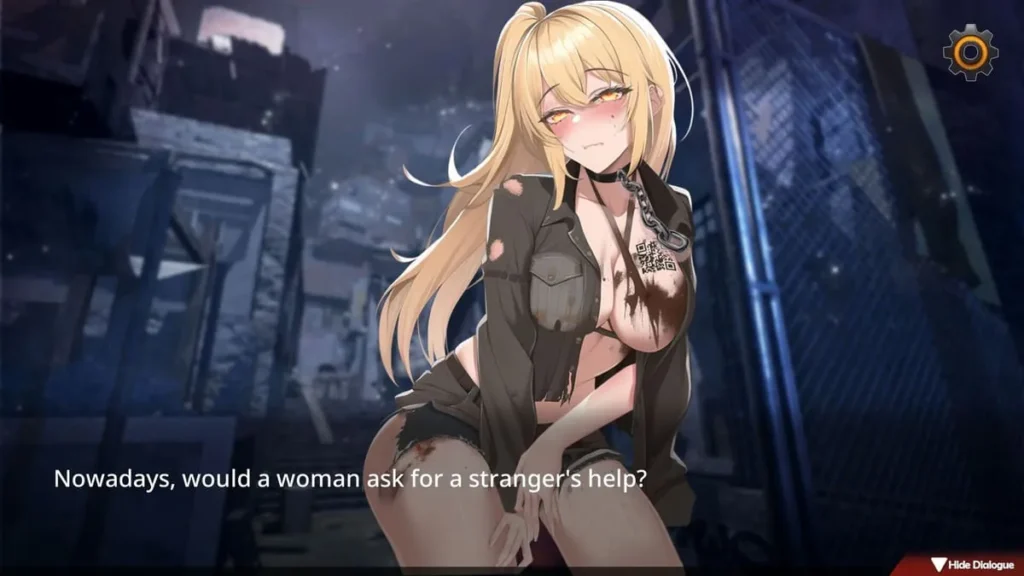
I remember booting it up for the first time, expecting a fairly linear story. I was so wrong. Within the first hour, I was faced with a choice: do I use our last clean water to soothe a sick companion’s fever, or do I hoard it, uncertain of when we’ll find more? The game didn’t judge me aloud, but the lingering glance from the character I denied water… it stung. That’s the magic here. It’s an anime simulation game in aesthetic, with beautiful character art and expressive portraits, but beneath that surface lies a ruthless survival simulation visual novel engine.
| Specification | Details |
|---|---|
| Title | Fatal Countdown – immoral List of Desires |
| Developer | Secret Garden |
| Publisher | Secret Garden |
| Release Date | April 9, 2024 |
| Price | $10.99 |
| Platform | Steam (PC) |
| Genre | Casual Simulation, Visual Novel, Survival |
| Key Features | Story-Rich, Resource Management, Multiple Endings, Anime Style, Single Player, Family Sharing, Fast Text Skip |
| Content Rating | Mature (Due to thematic elements and moral dilemmas) |
So, what exactly is it? In essence, Fatal Countdown – immoral List of Desires is a narrative-driven experience where you guide a protagonist through a fractured world. You’ll manage scarce supplies, build (or break) relationships with other survivors, and make decisions that ripple through the entire plot. It’s a visual novel with survival elements that asks one persistent question: in a world without rules, what are you willing to do to see tomorrow? 😨
Gameplay Systems and Resource Management
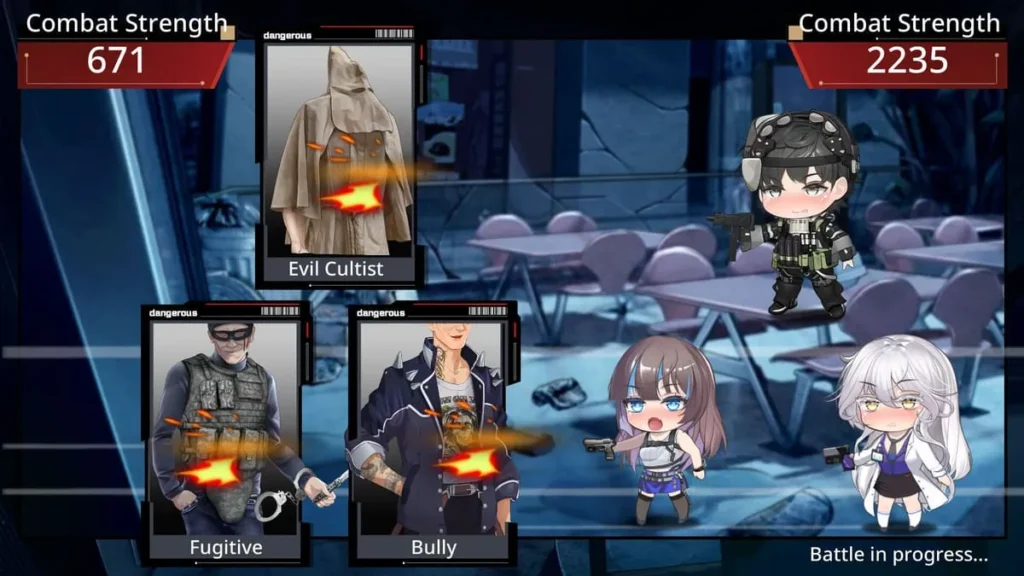
Alright, let’s dig into the meat and potatoes—the Fatal Countdown immoral List of Desires gameplay. If you think this is about just clicking through dialogue, prepare for a wake-up call. This game is a taut, strategic loop that had me leaning forward in my chair, calculator (metaphorically) in hand. The core of the experience is a brilliant fusion of post-apocalyptic game mechanics and classic visual novel storytelling.
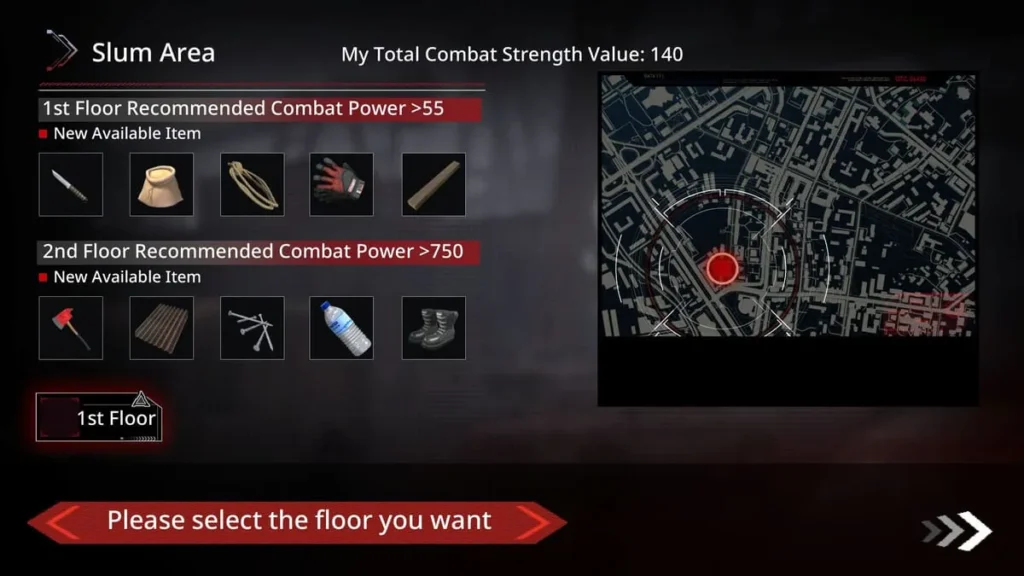
Your survival hinges on two interconnected pillars: Daily Action Allocation and Resource Scarcity. Each in-game day, you have a limited number of action points. Will you send a character out to scavenge in the dangerous city ruins? Should you spend time fortifying your makeshift shelter? Or is it more critical to tend to a companion’s deteriorating mental state? This constant triage is the heart of the survival simulation visual novel experience. You’re not just picking story branches; you’re managing a fragile ecosystem of needs.
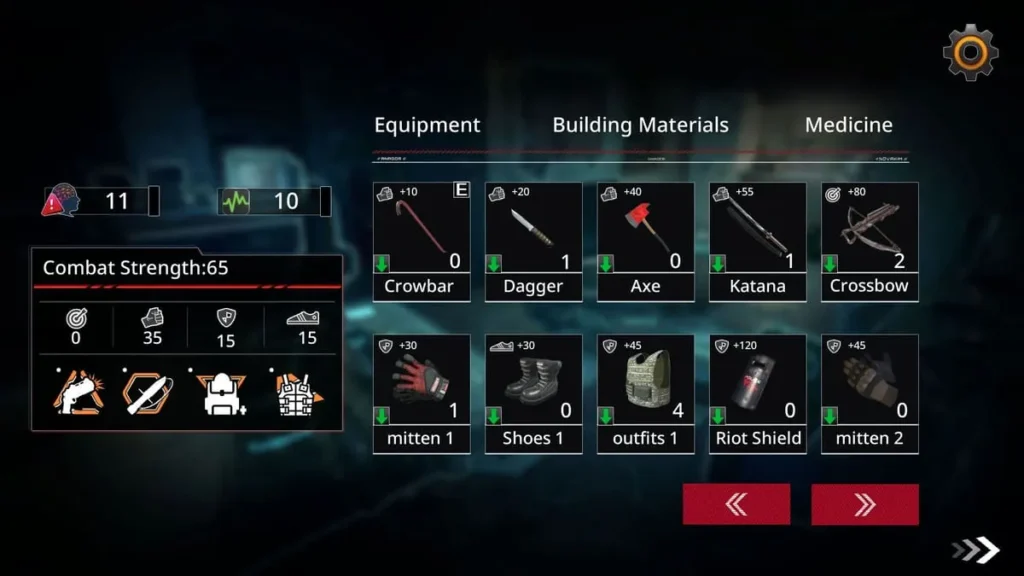
Let’s talk about those resources. We’re not talking about collecting 1000 pieces of scrap metal. The resource management simulation here is intimate and stressful. You track:
* Food & Water: The absolute basics. Finding a single can of beans feels like a major victory.
* Medical Supplies: Infections are a death sentence without antibiotics or disinfectant.
* Building Materials: Needed for safety upgrades that let you sleep a little sounder.
* Group Morale: This invisible resource is maybe the most important. A hopeless group is a doomed group.
The genius is how these systems talk to each other. Send someone out to scavenge while they’re hungry? They’ll be less effective and might get hurt. Ignore a character’s personal quest to boost their mood? Their low morale might spread, making everyone else less efficient. It’s a beautifully balanced, punishing chain reaction.
Pro-Tip from My Playthrough: Early on, I obsessed over hoarding every material thing. I learned the hard way that investing action points in conversations and relationship-building is not a waste of time. A loyal, high-morale companion is far more valuable than an extra bottle of water. They’ll have your back when things get dire.
Now, let’s make this concrete with an example. Imagine it’s Day 7 in your shelter. Rain is hammering on the roof, and the mood is grim.
| Your Situation | Possible Actions (Cost 1 Action Point Each) | The Risky Trade-Off |
|---|---|---|
| – Food: **2 Rations Left** – Water: **1 Day Supply** – Morale: **Low** – Companion A: **Slightly Injured** – Companion B: **Asking to talk (Personal Event)** |
1. **Scavenge Downtown:** High risk, could find food/medicine, or encounter threats. 2. **Boil Rainwater:** Safe, guarantees +1 Water, uses 1 Fuel. 3. **Rest & Recuperate:** Heals Companion A’s injury over time. 4. **Listen to Companion B:** Advances story, likely boosts their Morale. |
You only have **2 Action Points** for the day. If you choose #1 and #4, you might gain supplies and strengthen a bond, but leave the injury unhealed. If you choose #3 and #2, you secure water and health but risk starvation and a story opportunity. There is no perfect choice, only calculated survival. This is the essence of **Fatal Countdown immoral List of Desires gameplay**. |
This scenario perfectly illustrates the post-apocalyptic game mechanics at play. Every decision is a portfolio of risk and reward. The game’s “stress-free” design, with features like a lightning-fast text skip and clear menus, isn’t about making the game easy—it’s about removing friction so you can focus entirely on these agonizing, engaging choices. You’re constantly asking: “Can I afford to be human today, or is today just about surviving?” That tension is where this anime simulation game truly shines. ✨
Story and Setting Explained
While the resource management simulation provides the gripping “how” of survival, the Fatal Countdown story and setting provide the profound “why.” This isn’t a world of zombies or radioactive mutants; the horror here is subtler and, in many ways, more frightening. It’s the horror of vanishing institutions, of trust eroding day by day, and of the quiet desperation that settles in when hope seems like a foolish luxury.
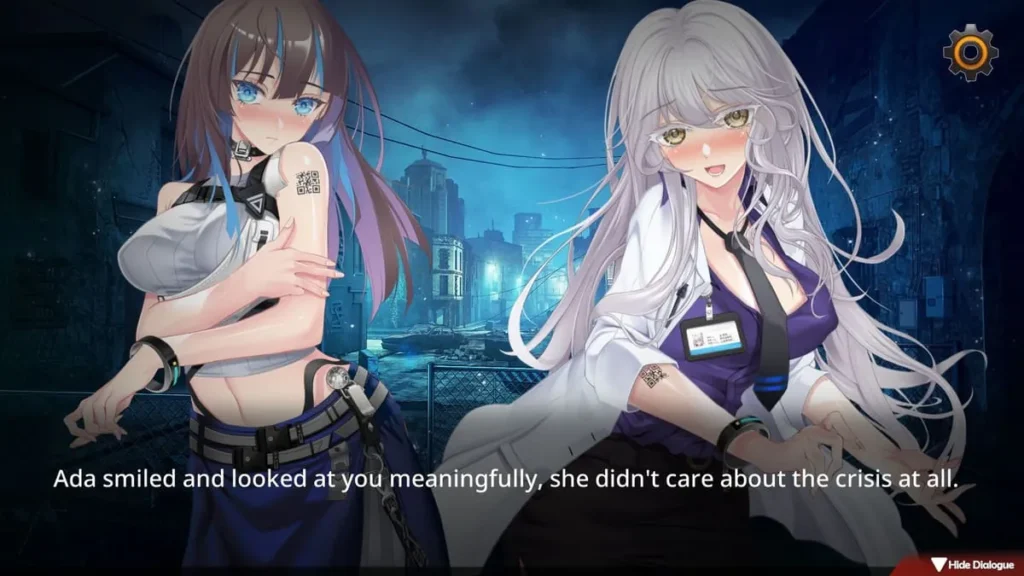
The setting is a once-bustling city now under silent siege by the “Crimson Dust” virus. 🏙️➡️🧱 The streets are empty not of life, but of order. This post-apocalyptic game mechanics aren’t just about fighting monsters; they’re about navigating the moral vacuum left behind. You’ll encounter other survivors, each with their own damaged past and desperate future. Some will become pillars of your new community, while others will serve as grim reminders of what you might become if you lose your way.
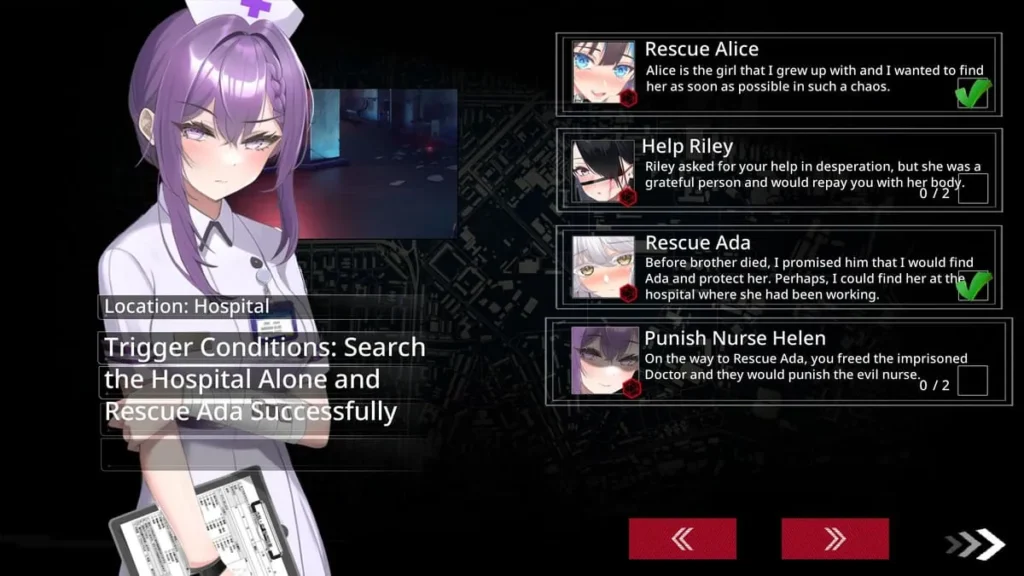
The narrative is deeply personal. As a visual novel with survival elements, it uses its text-based foundation to dive deep into character psychology. You’re not just managing a stat called “Morale”; you’re reading a companion’s diary entry filled with grief, or hearing their voice crack as they confess their fears. The anime simulation game art style makes these emotions viscerally clear—a slight frown, averted eyes, a rare, genuine smile. These small details in the character portraits carry immense narrative weight.
The “immoral List of Desires” from the title isn’t about sensationalism. It’s the core theme. As resources dwindle, your desires become simpler, more primal: I want to be safe. I want to eat. I want my friends to live. But fulfilling these desires often forces you into ethical grey areas. Is stealing from an abandoned store okay if it feeds your family? Is it justified to turn away a stranger begging for help if admitting them threatens your group’s limited supplies? The game doesn’t have a morality meter that rewards you for being purely good or evil. Instead, your choices weave directly into the plot, unlocking different story branches and ultimately leading to one of several endings that reflect the leader you became.
My first playthrough was a disaster, honestly. 😅 I was so focused on hardcore survival that I treated my companions like resources. I got a “survival” ending, sure. My character lived. But the final cutscene showed a lonely, paranoid figure in a secure bunker, surrounded by supplies but utterly alone, with the ghosts of failed relationships haunting the narrative text. It was a victory that felt like a profound loss. That’s the narrative power at work here.
The Fatal Countdown story and setting are successful because they are inseparable from the gameplay. The bleak atmosphere justifies the brutal resource management simulation. The fragile character bonds make the management of “Group Morale” feel urgent and real. It’s a cohesive package where every mechanic serves the story, and every story beat reinforces the tension of the mechanics.
In conclusion, Fatal Countdown – immoral List of Desires stands out as a uniquely compelling hybrid. It offers the strategic satisfaction of a survival sim paired with the emotional resonance of a great visual novel. If you’re looking for a game that will challenge not just your planning skills, but your conscience, and will stay with you long after the credits roll, this survival simulation visual novel is an unforgettable journey into the heart of what remains when everything else is stripped away. Your countdown has begun—what will you desire?
Fatal Countdown – immoral List of Desires stands out as a distinctive entry in the visual novel and survival simulation genre, offering players a compelling blend of narrative depth and strategic gameplay. The game’s post-apocalyptic setting, combined with its focus on resource management and moral decision-making, creates an engaging experience that appeals to fans of story-driven games. With over 80 CGs, animated sequences, and a stress-free interface design, the game delivers substantial content value at its $10.99 price point. The 78% positive rating on Steam reflects strong community appreciation for its unique approach to combining visual novel storytelling with survival mechanics. Whether you’re drawn to the narrative elements, the strategic gameplay, or the distinctive anime art style, Fatal Countdown – immoral List of Desires offers a complete package worth exploring. For those interested in purchasing, multiple retailers offer competitive pricing options, making it accessible to a wide audience. The game’s availability on Steam with family sharing support adds to its overall value proposition for players seeking an immersive, story-rich gaming experience.