Lost in Paradise
Play Lost in Paradise
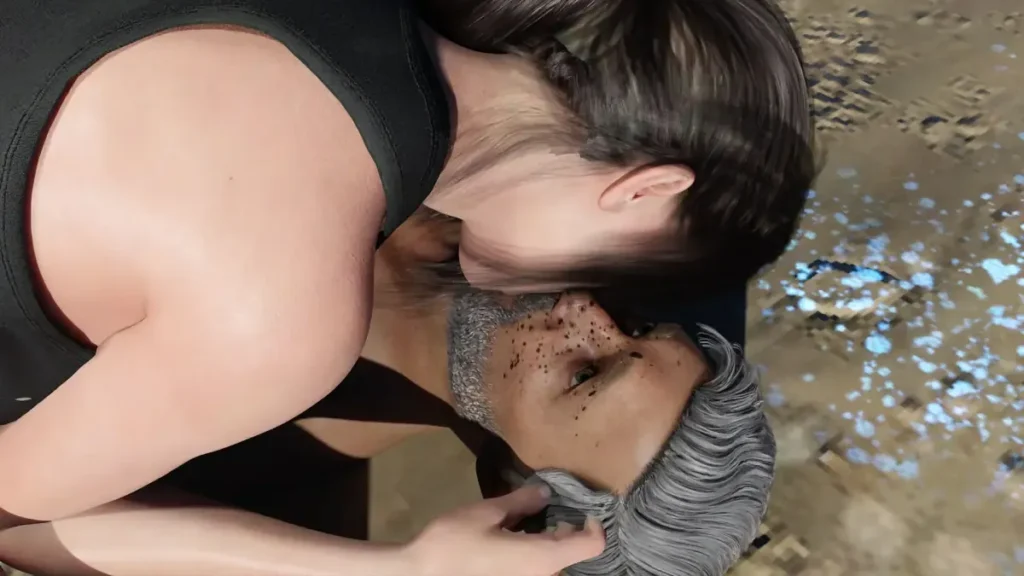
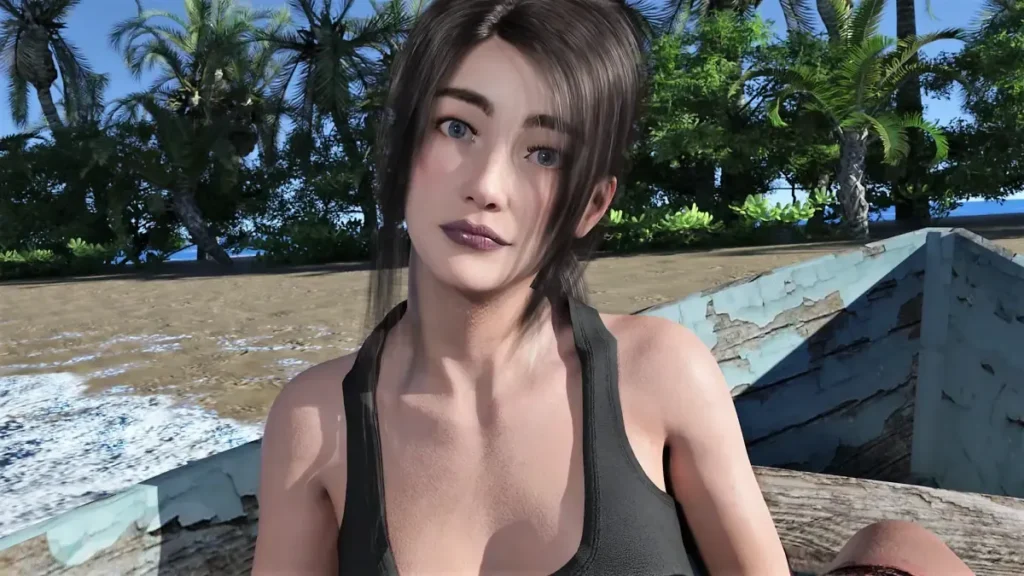
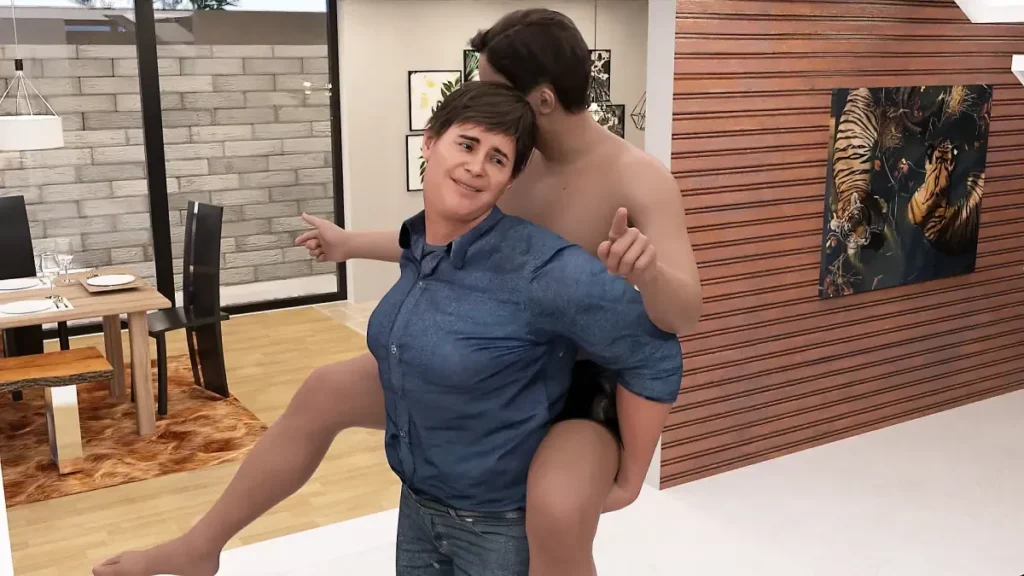
Lost in Paradise Screenshots





Lost in Paradise review
Master the choice-driven narrative, characters, and gameplay mechanics of this immersive adult adventure
Lost in Paradise stands out as a captivating choice-driven visual novel that blends immersive storytelling with interactive gameplay. Developed by Dimajio333, this adult adventure transports players to a mysterious tropical island where a vacation takes an unexpected turn, leaving you stranded with a diverse cast of characters. The game’s strength lies in its branching narrative system, where your decisions directly shape the story’s direction and determine which of multiple endings you’ll experience. Whether you’re drawn to the atmospheric exploration, relationship-building mechanics, or the mystery woven throughout the island setting, this guide covers everything you need to know about mastering this engaging experience.
Understanding the Lost in Paradise Story and Setting
Picture this: you saved for months, dreaming of white sand and turquoise waters, only for your perfect getaway to be swallowed by a raging storm. One moment you’re on a luxury boat, the next you’re washing up on the shore of an island that feels equal parts breathtaking and eerily silent. This is how your journey in Lost in Paradise begins—not with a scripted cinematic, but with the disorienting, sand-in-your-mouth reality of being stranded. 🏝️⚡
What unfolds from here isn’t a simple tale of rescue. It’s a deep, personal excavation. The core Lost in Paradise storyline masterfully transforms a survival scenario into a profound exploration of human connection and self-discovery. As you’ll soon learn, every choice you make doesn’t just affect your immediate safety; it rewrites the entire narrative tapestry of your island experience.
The Premise: From Dream Vacation to Island Survival
The genius of Lost in Paradise lies in its brilliant subversion of expectations. You arrive expecting paradise and find a mystery. The initial goal is basic: find fresh water, seek shelter, and look for other survivors. But the game quickly establishes that the real challenge isn’t the environment itself—it’s the emotional and relational landscape you must navigate.
I remember my first playthrough, frantically clicking to gather coconuts, thinking I was playing a classic tropical island survival game. I was wrong. The survival elements are present, but they serve a greater purpose: they are the catalyst for interaction. Do you share your limited supplies with the quiet woman sketching in the shade, or hoard them for yourself? That early decision feels practical, but it’s your first step onto a vast web of branching narrative paths.
The island is more than a backdrop; it’s the first and most enigmatic character you meet. It doesn’t communicate through words, but through feeling. A hidden path behind a waterfall, a strangely symmetrical arrangement of coral in a cove, the distant sound of something moving in the bamboo grove at dusk—these are your clues. This is atmospheric storytelling mechanics at its finest. The story isn’t fed to you in blocks of text; it’s whispered by the wind and buried in the sand, waiting for your curiosity to uncover it. 🌊✨
Atmospheric World-Building and Environmental Storytelling
Forget lengthy exposition. Lost in Paradise builds its world through a masterclass in subtlety and mood. The game employs a slow, deliberate pace that mirrors the rhythm of island life. There are moments dedicated purely to contemplation—watching the sunset paint the sky, listening to the rain on broad jungle leaves. These pauses aren’t empty; they’re essential narrative tools. They allow you, the player, to sit with your decisions, to feel the weight of isolation or the warmth of a new connection.
The environment itself tells a layered story. A sun-bleached dock with fresh footprints leading into the jungle hints at someone else’s presence before you ever see them. Abandoned research equipment half-buried in a gully suggests you’re not the first outsider here. The lush, vibrant beauty of the coastal areas slowly gives way to the dense, shadowy interior of the jungle, visually mirroring the journey from surface-level survival to uncovering deeper secrets.
This approach creates an unparalleled sense of immersion. You’re not just being told the island has a history; you’re piecing it together yourself, one discovered note and strange artifact at a time. The atmospheric storytelling mechanics encourage you to look closer, to think, and to feel the story rather than just read it. It’s a game that trusts its player with silence and implication, making every revelation feel earned and deeply personal.
The Cast of Characters and Their Individual Story Arcs
The heart and soul of the Lost in Paradise storyline are the people you’re stranded with. Each survivor is a world unto themselves, carrying their own baggage, dreams, and secrets to the shore. Building character relationships and romance here isn’t about selecting flirtatious dialogue options. It’s a slow, organic process built on trust, shared vulnerability, and the choices you make when no one else is watching.
Let’s meet the key faces who will define your journey:
-
Elara: The first person I properly connected with. She’s an enigmatic marine biologist who seems more intrigued by the island’s unique ecosystem than fearful of being stranded. 🐚 She’s calm, observant, and initially guarded. Unlocking her story feels like a delicate archaeological dig—you must show genuine interest in her work and respect her need for space. Her personal arc is deeply tied to the island’s mysteries, and aligning with her can lead to the most mind-bending revelations about where you really are.
-
Leo: Don’t let his charming, easygoing smile fool you. The former bartender and aspiring entrepreneur is a natural leader and networker, quickly trying to organize the survivors. 🍹 His motives, however, are complex. Is he building a community for everyone’s good, or is he assembling resources for his own future advantage? His route explores themes of ambition, loyalty, and what one is willing to compromise to rebuild a life.
-
Kai: A quiet, physically capable traveler who prefers his own company. He’s your best bet for learning practical survival skills, but getting him to open up emotionally is the real challenge. His story is one of past trauma and seeking solace in solitude, and befriending him requires patience and proving you’re not another person who needs “fixing.”
-
Maya: The heart of the group for many players. A warm, pragmatic school teacher who immediately focuses on maintaining morale and a sense of normalcy. 🍲 She’s the one organizing shared meals and checking in on everyone. Her path is less about grand mystery and more about the profound strength of everyday kindness and the family we choose. Her personal struggles are quietly heartbreaking and beautifully written.
This is a true choice-driven narrative visual novel. Pursuing a connection with Elara means spending your afternoons surveying tide pools, which opens narrative branches about the island’s anomalies. Choosing to help Leo with his “community projects” might lead you to discover a stash of supplies, but could alienate other survivors who see him as manipulative. You cannot see everything in one go. The game’s structure demands replays, as choosing to focus on one relationship inherently closes off or alters another.
Personal Insight: On my second playthrough, I decided to be more self-serving and less trusting. The difference was staggering. Characters who were warm and open before became cold and dismissive. Entire scenes and locations I’d never seen were unlocked, while others vanished. It truly hammered home that Lost in Paradise doesn’t have a single story—it has the story you choose to create.
| Character | Initial Role | Core Personality Traits | Story Focus & Arc |
|---|---|---|---|
| Elara | Marine Researcher | Analytical, Reserved, Inwardly Passionate, Mysterious | Uncovering the island’s scientific secrets; a journey of intellectual and personal discovery. |
| Leo | Bartender/Entrepreneur | Charming, Ambitious, Resourceful, Morally Gray | Leadership, power dynamics, and the cost of rebuilding civilization. |
| Kai | Solitary Traveler | Guarded, Self-Reliant, Observant, Healing | Practical survival, confronting past trauma, and learning to trust again. |
| Maya | School Teacher | Nurturing, Pragmatic, Empathetic, Resilient | Building community, emotional support, and finding strength in vulnerability. |
The character relationships and romance evolve through this principle of “emotional archaeology.” A romance might begin with something as simple as remembering a character’s preference for a certain fruit, or defending their perspective during a group dispute. Affection is shown through actions—giving someone the blanket you found, choosing to sit with them during a silent watch, or sharing a personal memory when the night feels especially long. This makes the connections feel devastatingly real and fragile.
Example: How Early Choices Diverge the Narrative Path
Let’s look at a concrete example from the crucial first day. After the initial wash-up, you have a few hours of daylight. You hear two things: Leo’s voice calling for others from the beach, and the sound of someone moving through the inland brush.
-
Choice A: Follow Leo’s Voice. This immediately establishes you as a team-player oriented towards group cohesion. You help Leo gather other survivors, which boosts his trust in you and unlocks early dialogue options about leadership and planning. However, you miss the chance to encounter Elara alone at her first research site, setting her introduction back and making her initially see you as part of “Leo’s group,” adding a layer of subtle distance you must later overcome.
-
Choice B: Investigate the Inland Sound. You find Elara examining a peculiar, bioluminescent fungus. This sparks an immediate intellectual connection. She shares her first theories about the island’s uniqueness, opening a branching narrative path focused on mystery and science from minute one. The trade-off? You arrive at the main beach camp later. Leo notes your “independent” streak, and his early mission to assign tasks may frame you as an outsider in the nascent social hierarchy.
This single, early decision doesn’t just change a scene—it sets two completely different narrative tones and defines your primary relationship catalyst for the next several hours of play. This is the power of its choice-driven narrative visual novel design.
Ultimately, understanding the Lost in Paradise storyline is about embracing its depth and patience. It’s an invitation to a slow burn, where the most intense moments aren’t of action, but of quiet conversation under the stars. It’s a tropical island survival game where the most important thing you’ll build isn’t a shelter, but a connection. Your map through this paradise isn’t drawn in sand, but forged through every branching narrative path you choose to walk, making your journey uniquely and powerfully your own. 💖🌴
Lost in Paradise delivers a compelling blend of immersive storytelling, meaningful player agency, and engaging interactive mechanics that set it apart in the visual novel genre. The game’s strength lies in its choice-driven narrative where your decisions genuinely matter, shaping everything from character relationships to the ultimate ending you experience. With its atmospheric tropical island setting, diverse cast of characters with their own compelling stories, and intricate branching dialogue system, the game rewards exploration, thoughtful decision-making, and multiple playthroughs. Whether you’re drawn to the mystery of the island, the romance and relationship-building opportunities, or the satisfaction of uncovering all possible story paths, Lost in Paradise offers a uniquely personal experience that encourages you to return again and again. The game’s emphasis on player choice, combined with its rich 3D graphics and immersive soundtrack, creates an unforgettable adventure that respects your agency and rewards your curiosity. If you’re seeking a visual novel that combines meaningful storytelling with interactive gameplay, Lost in Paradise is absolutely worth exploring.