
Aperture
Play Aperture
Aperture Screenshots


Aperture review
Master the mystery, puzzles, and narrative choices in this immersive NTR visual novel experience
Aperture stands out as a gripping mystery visual novel that combines intricate puzzle-solving with emotionally charged storytelling. Set within the prestigious Hoshino Academy of Excellence, this interactive experience follows Keita, an 18-year-old transfer student whose chance encounter with Rin, the photography club president, sets off a chain of events filled with tension and personal transformation. Whether you’re drawn to narrative-driven adventures or complex character dynamics, Aperture delivers a unique blend of gameplay mechanics and mature themes that keep players engaged throughout their journey. This comprehensive guide explores everything from core mechanics to hidden secrets, helping you unlock the full potential of this compelling visual novel.
Understanding Aperture’s Story and Setting
Ever get that feeling of walking into a place that just hums with unspoken rules? 🏫 That’s Hoshino Academy from the moment you boot up Aperture. This isn’t your typical serene school backdrop; it’s a character in itself, a beautifully rendered cage of expectations that sets the stage for one of the most gripping emotional storytelling visual novel experiences. The Aperture visual novel story is, at its heart, a deep dive into a world where the pressure to conform slowly chips away at individuality, and where the pursuit of truth can cost you everything. It all begins here, in this prestigious institution, and understanding its atmosphere is key to mastering the game’s NTR mystery narrative.
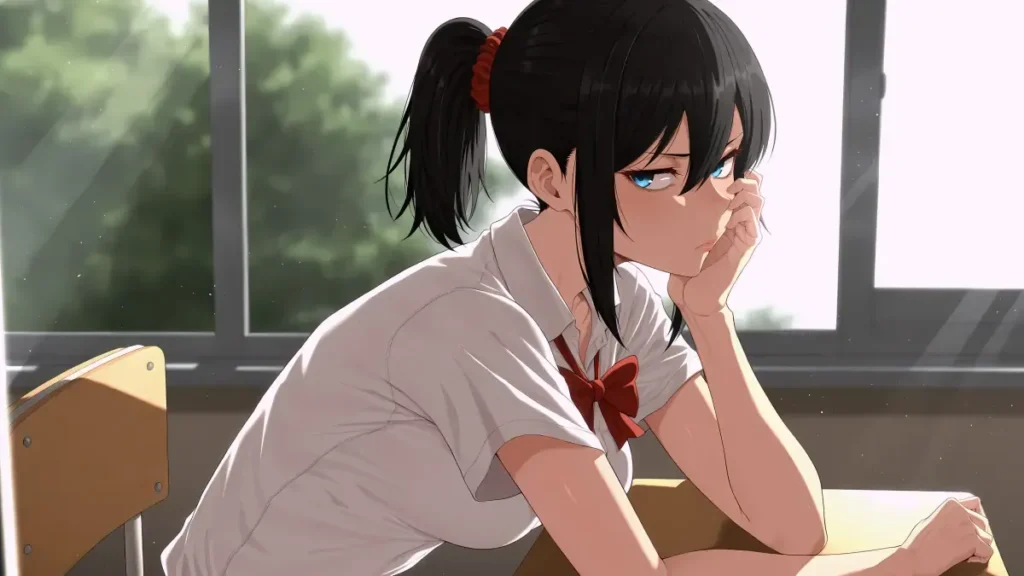
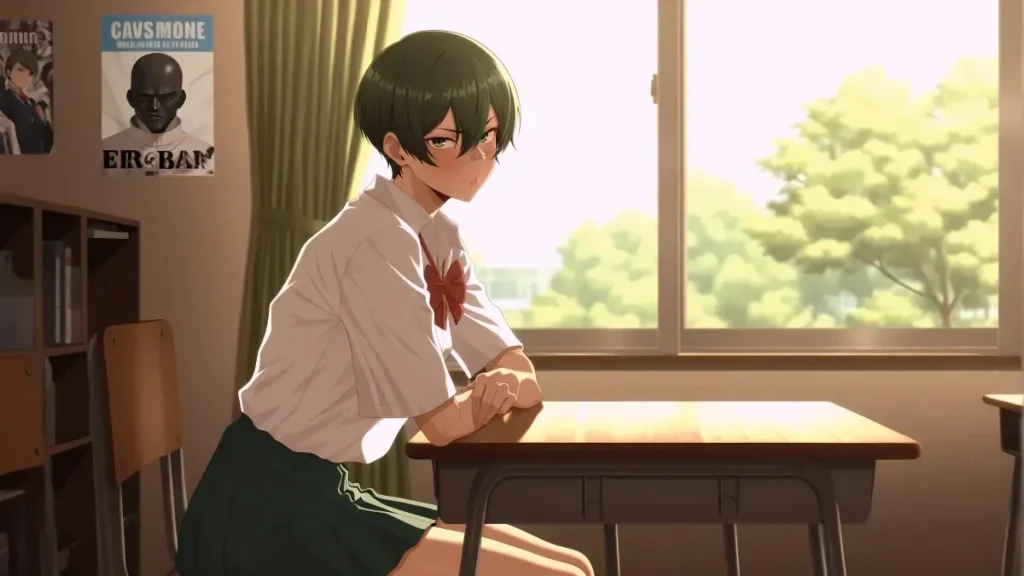
Let’s pull up a chair by the window in an empty classroom and unpack exactly what makes this world tick. You’re not just playing a game—you’re stepping into Keita’s shoes, and the academy’s rhythm will become your own.
The Hoshino Academy Environment and Atmosphere
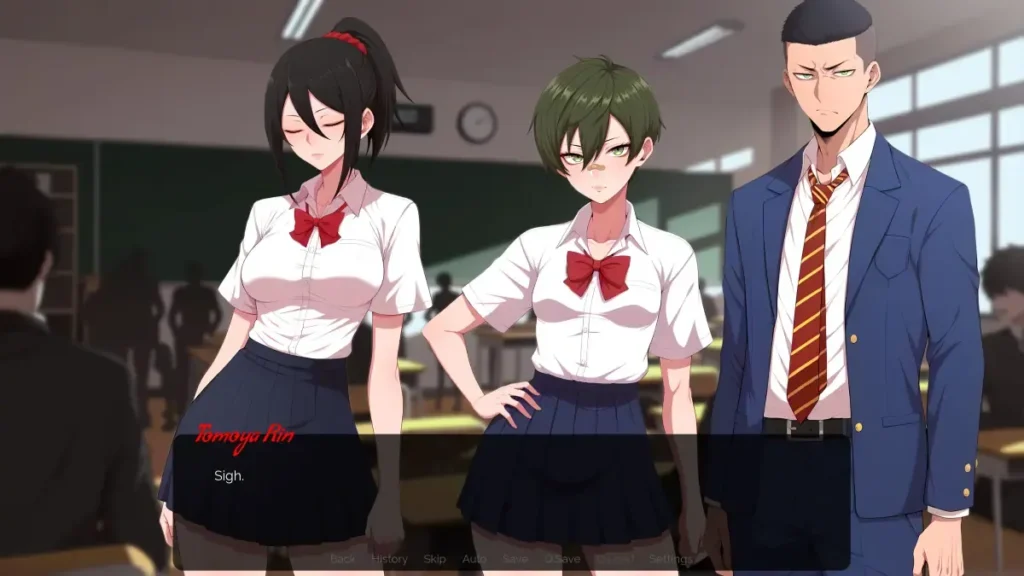
From the very first click, the Hoshino Academy setting works on you. It’s visually stunning, all crisp uniforms and polished hallways, but it carries a chilling, sterile atmosphere. This is a school that proudly displays trophies for academics and athletics in gleaming cases, while the arts club notices are tucked away on a fading bulletin board, curling at the edges. You feel the hierarchy without a word of dialogue. The environment isn’t just a backdrop; it’s the first clue to the game’s central conflict.
The genius of Aperture’s design is how these environments are dynamic. They change based on your relationships and the story’s progression. Walk into the photography club room after a key story beat, and the sunlight might feel colder, the clutter more oppressive. A classroom where you shared a warm moment with a character can later feel alien and hostile. This isn’t random—it’s deliberate atmospheric storytelling. You’ll notice subtle details that feed the NTR mystery narrative: a yearbook photo with a figure awkwardly cropped out, a series of identical, ominous memos on the principal’s desk, or the way certain characters are always just leaving a room as you enter. 🕵️♂️
The game also employs a brilliant time-based exploration mechanic. Certain clues, conversations, and events only trigger at specific times of the day. You might need to skip class to find a character alone in the library during third period, or visit the gym at night to overhear a crucial conversation. This makes the academy feel alive with its own schedule and secrets, pushing you to be observant and strategic. It reinforces the feeling that while you’re investigating, the mystery is also actively unfolding around you, often just out of sight.
Pro Tip: Always revisit locations after major plot events. The developers hide so much narrative in environmental shifts—a new book on a desk, a changed poster, a broken item—that directly comment on a character’s inner state or advance the hidden plot.
This living, breathing setting is the petri dish where our characters grow, struggle, and unravel. It’s a world that privileges the strong and the conventional, making it the perfect pressure cooker for the story’s themes of corruption and emotional conflict. And into this world walks our protagonist, with his own set of problems.
Character Development: Keita and Rin’s Journey
If Hoshino Academy is the cage, then Keita is the bird who refuses to stop beating his wings against it. Your entry point into this world is through his eyes, and his Keita character development is the backbone of the entire Aperture visual novel story. He’s 18, principled to a fault, and arrives at Hoshino with a reputation already hanging over him—an expulsion from his last school for standing up to a corrupt teacher. His sharp tongue and rigid sense of justice are both his greatest strengths and his most glaring vulnerabilities. He sees the world in black and white, a perspective Hoshino Academy is designed to shatter.
His journey begins with a literally crushing mistake: on his first day, he accidentally breaks an expensive camera belonging to Rin, the photography club president. This isn’t just a meet-cute; it’s a catastrophic event that defines the initial Aperture character relationships. Rin isn’t simply angry; she’s devastatingly disappointed. Her camera was her voice in a school that silences creatives. To repay her, Keita is strong-armed into joining the dying photography club, a decision that threads him directly into the academy’s dark tapestry.
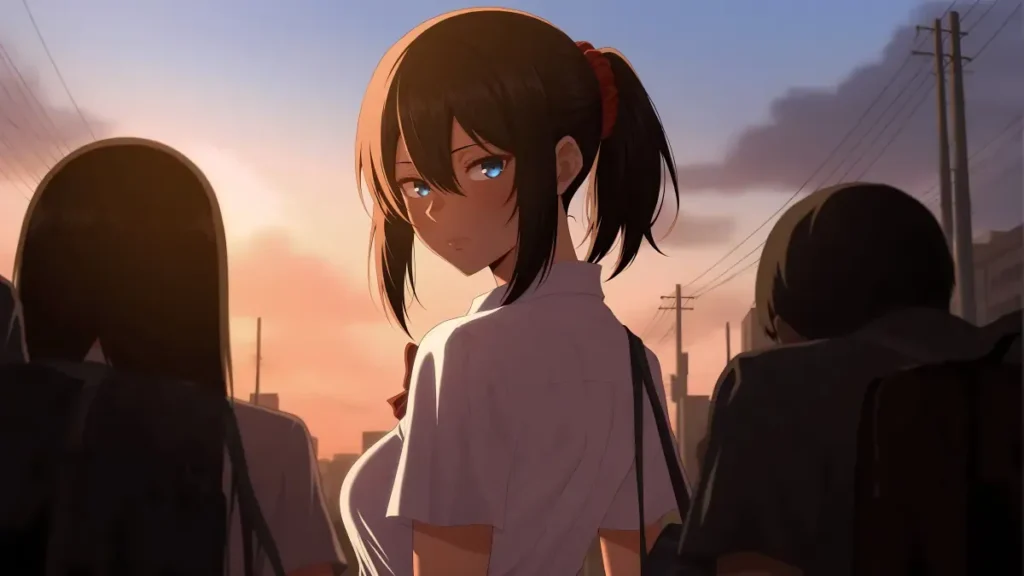
Now, let’s talk about Rin. To call her just the “photography club president” is a massive understatement. 👩🎨 Rin is the fragile heart of the story. She’s talented, introverted, and carries the weight of keeping her passion project alive in a hostile environment. Her initial demeanor is one of weary resilience. She’s kind but distant, dedicated but clearly burdened. As the story unfolds, her character arc is a masterclass in slow-burn tragedy. The NTR mystery narrative is intrinsically tied to her gradual unraveling. You’ll witness her change—sometimes subtly, sometimes dramatically—based on your choices, Keita’s actions, and the oppressive forces at work within the academy.
The relationship between Keita and Rin is the central axis around which the entire story rotates. It starts with debt and annoyance, potentially grows into friendship or romance, and is constantly tested by the creeping mystery. Keita, with his blunt honesty, becomes either her greatest protector or, through failure, an unwitting contributor to her distress. Watching his black-and-white worldview get muddied by shades of grey, suspicion, and helplessness is the core of the game’s emotional pull. You’re not solving a mystery for him; you’re experiencing the corrosive doubt and anger with him.
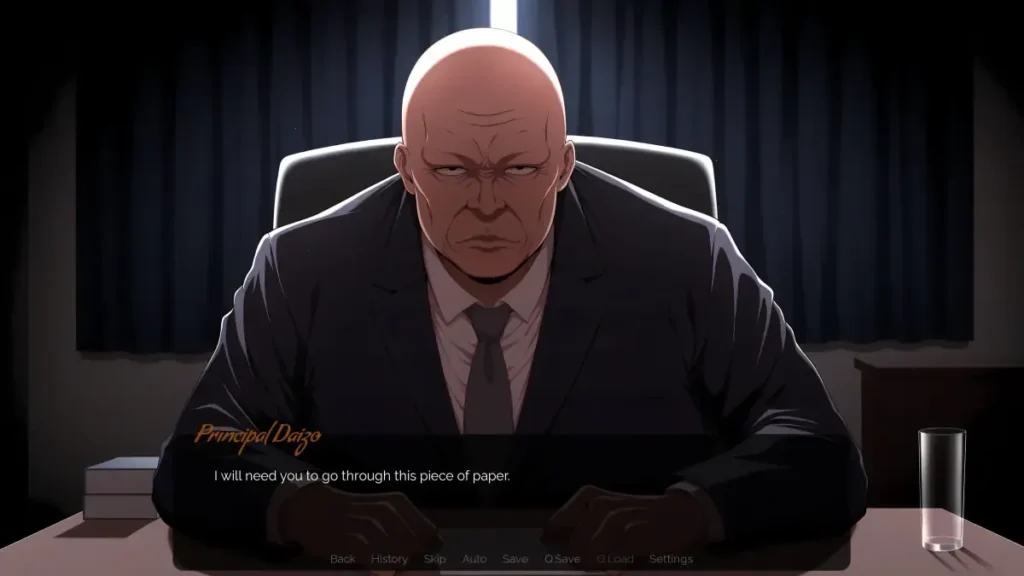
Of course, they aren’t alone in this dance. Driving the conflict is the cunning Principal Daizo. He’s not a cartoon villain; he’s a chillingly realistic antagonist. He represents the academy’s ethos institutionalized: control, reputation, and conformity above all else. His interactions are always layered with polite menace, and he expertly manipulates the school’s hierarchy and rules to apply pressure where it hurts most. He is the engine of the plot, the source of the overarching pressure that distorts every Aperture character relationship.
| Character | Role | Narrative Significance |
|---|---|---|
| Keita | Protagonist & New Transfer Student | Our principled but flawed lens. His development from an idealistic outsider to a deeply involved, emotionally conflicted investigator is the player’s journey. His choices directly shape Rin’s fate and the mystery’s outcome. |
| Rin (Photography Club President) | Central Figure & Emotional Core | The vulnerable heart of the story. Her gradual unraveling is the mystery’s primary focus. She represents the cost of passion in a suppressing system, and her relationship with Keita is the story’s emotional barometer. |
| Principal Daizo | Primary Antagonist & Institutional Force | The personification of the academy’s corrupting pressure. He is the driving antagonistic force, using rules and manipulation to maintain control, directly challenging Keita’s justice and threatening Rin’s stability. |
Narrative Themes and Emotional Depth
So, what is this story truly about? On the surface, it’s a mystery. But peel back a layer, and you’ll find Aperture is a profound study in slow corrosion. The core theme isn’t a sudden betrayal; it’s the agonizing, piece-by-piece loss of something precious. This is where the NTR mystery narrative framework is used with devastating effect. It’s less about a specific act and more about the pervasive, sinking feeling of helplessness, of watching someone you care for be pulled away by circumstances, secrets, and a system more powerful than you. The mystery unfolds through Keita’s limited perspective, meaning you feel every jarring discovery, every moment of suspicion, and every heart-dropping realization right alongside him. 😟
The emotional storytelling visual novel mechanics are key here. Your choices aren’t just about picking the right clue; they’re about how Keita responds emotionally. Do you confront Rin with your suspicions, potentially pushing her away? Do you swallow your doubts to offer comfort, even if it means ignoring the truth? These decisions don’t just lead to different endings; they craft uniquely painful or hopeful pathways through the same tragic landscape. The game makes you complicit in the emotional fallout. You’re not a detached puzzle-solver; you’re in the trenches, and sometimes getting the “answer” feels worse than the mystery.
This all feeds into the grander themes of emotional conflict and the loss of innocence. Keita’s journey is a loss of his simplistic justice. Rin’s journey is a battle for her artistic soul. The Hoshino Academy setting is the arena where these battles are lost or won, inch by inch. The game asks uncomfortable questions: Is it better to know a painful truth or protect a fragile peace? Can you fight a corrupt system without becoming corrupted yourself? Your playthrough becomes your answer.
The narrative’s depth comes from this commitment to consequence. The Aperture character relationships are fragile ecosystems. A single harsh word can close off a dialogue branch for hours of gameplay. A moment of kindness can unlock a vulnerable confession that changes your entire understanding of the plot. This attention to detail makes the world feel terrifyingly real and responsive.
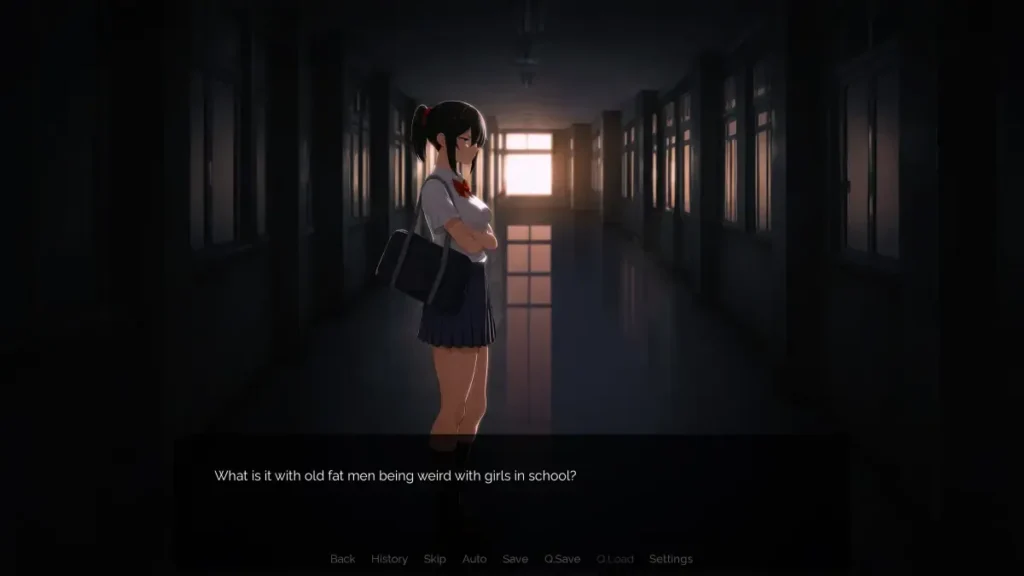
In the end, mastering Aperture isn’t about finding every clue (though that helps!). It’s about emotionally surviving the journey. It’s about understanding that the true puzzle isn’t just “whodunit,” but “at what cost?” The game builds an immersive foundation through its painstaking attention to the atmosphere of Hoshino Academy and the fragile, beautifully written souls trapped within it. To play is to walk those polished, lonely hallways yourself, feeling the weight of the secrets in the silence between classes, and deciding what you’re willing to sacrifice to bring them to light. ✨
Aperture represents a masterclass in blending interactive storytelling with engaging gameplay mechanics. From its richly detailed Hoshino Academy setting to its complex character dynamics and emotionally charged narrative, the game offers a unique experience that rewards both exploration and strategic thinking. Whether you’re navigating the intricate puzzles, building relationships with compelling characters, or uncovering the mysteries woven throughout the story, Aperture delivers depth and replayability that keeps players engaged long after their first playthrough. The combination of multiple difficulty modes, hidden content, and the Director’s Commentary feature ensures that each replay reveals new layers to the narrative. If you’re seeking a visual novel that combines mystery, emotional drama, and intense interactive gameplay, Aperture stands as a compelling choice that delivers an unforgettable journey through a world filled with secrets, challenges, and meaningful choices.