Stray Incubus
Play Stray Incubus
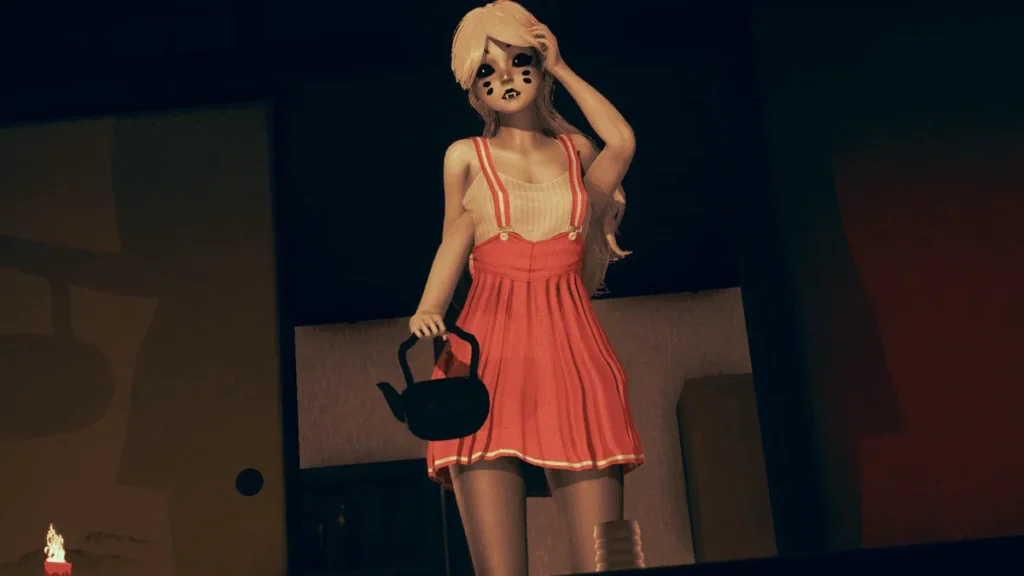
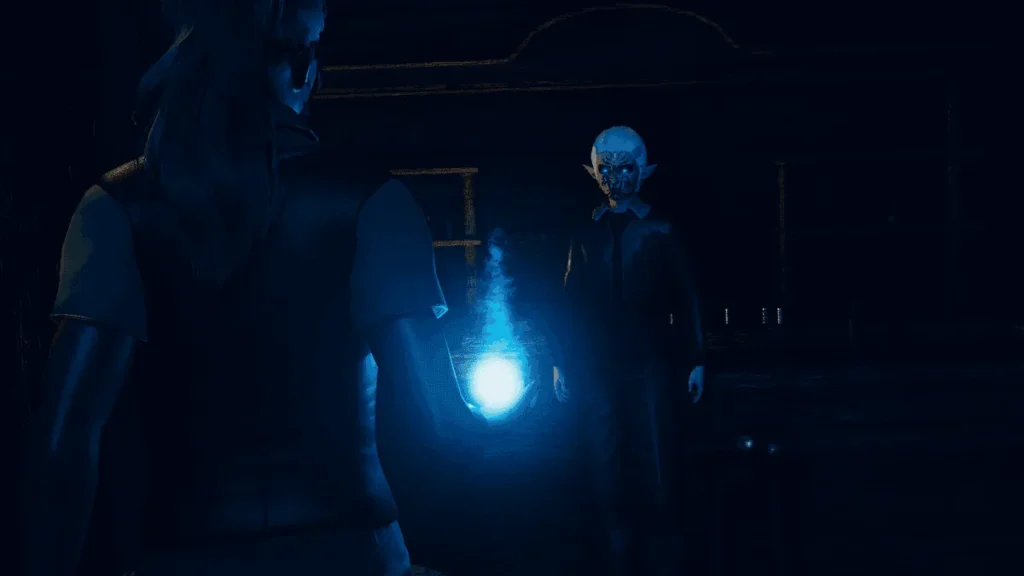
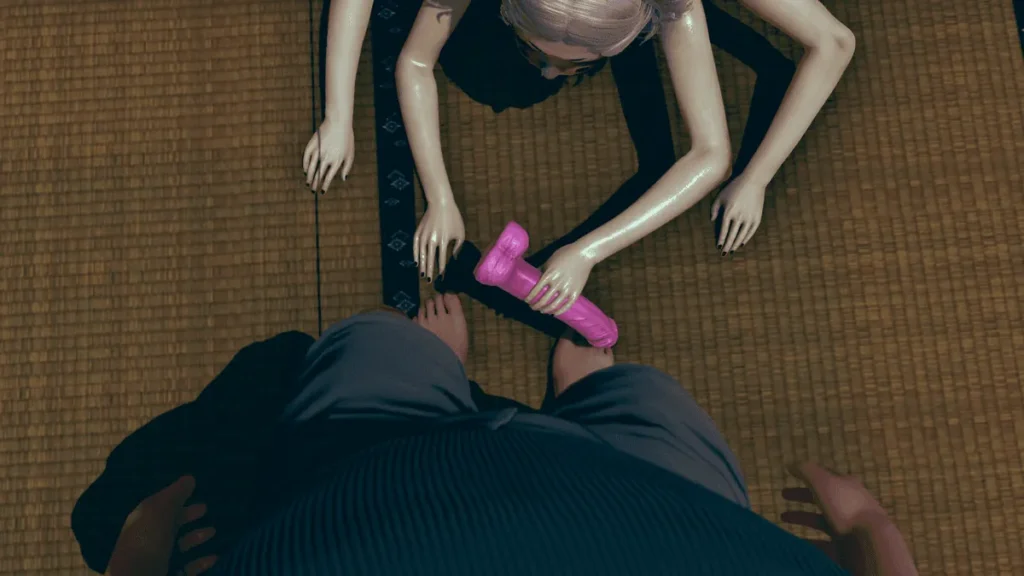
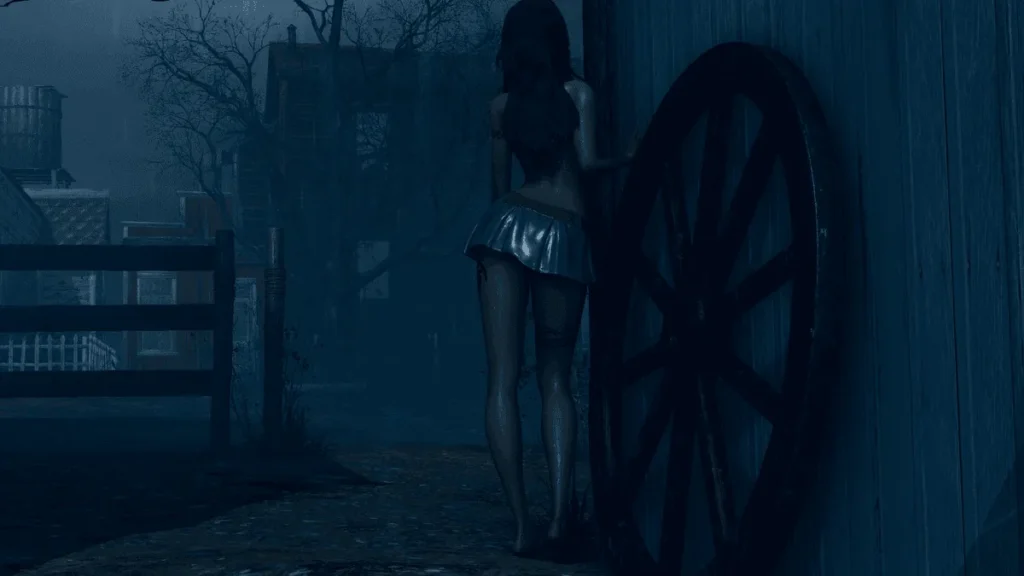
Stray Incubus Screenshots


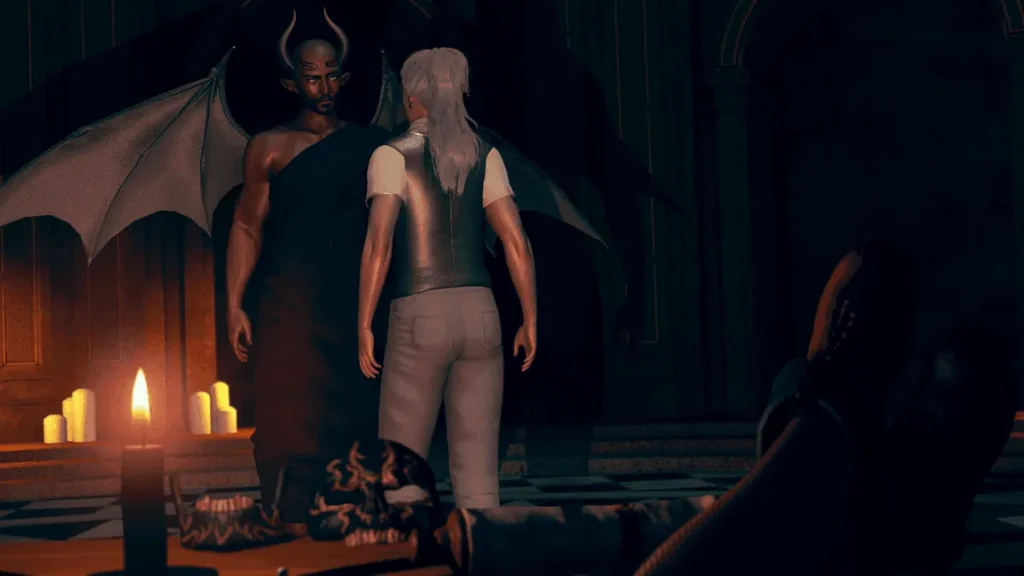

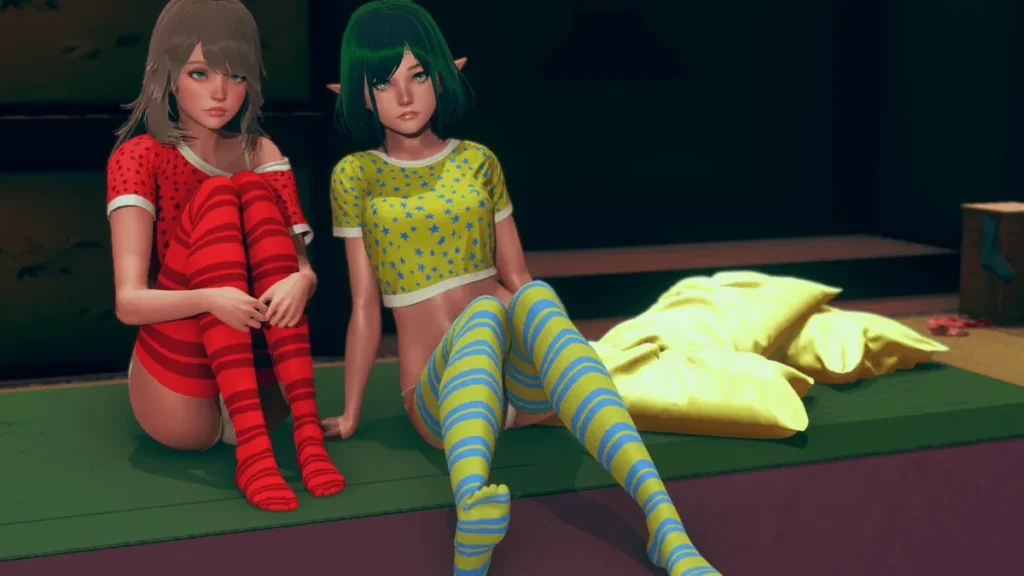
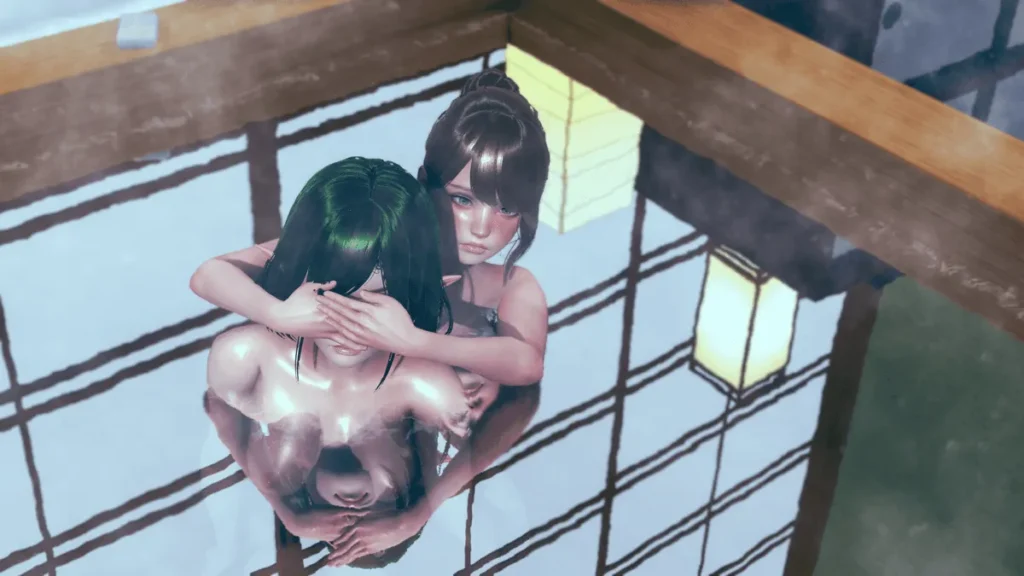
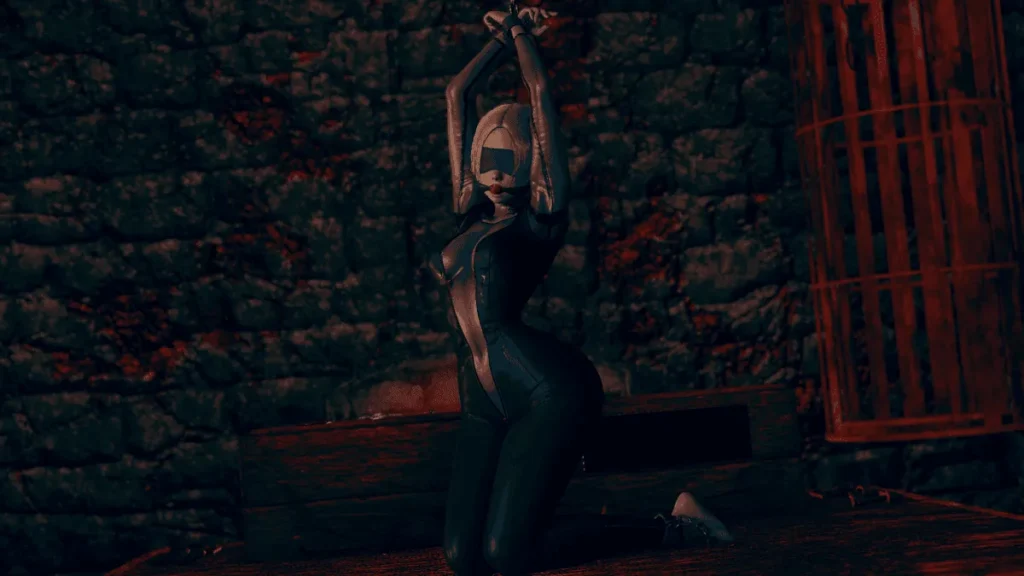




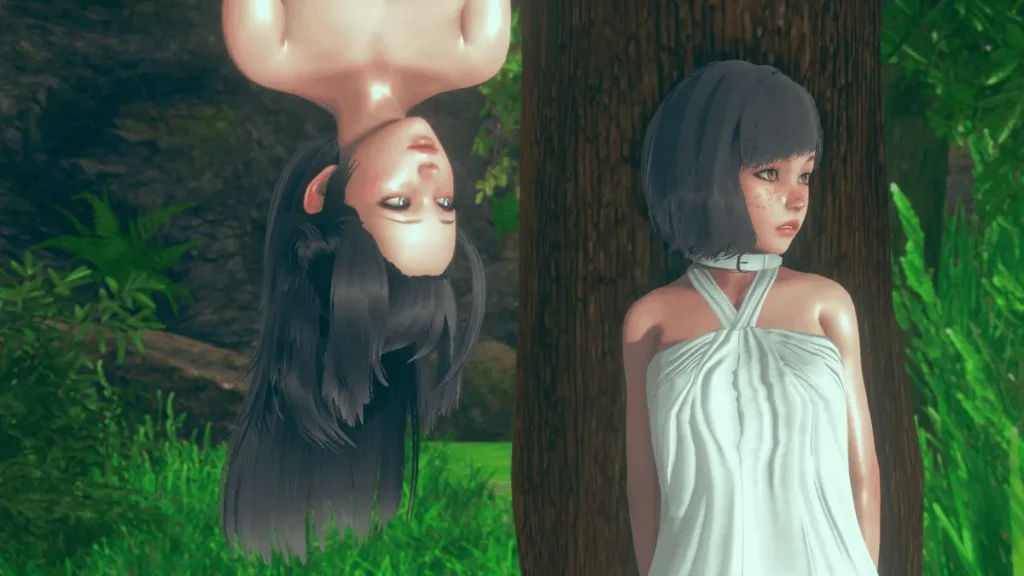
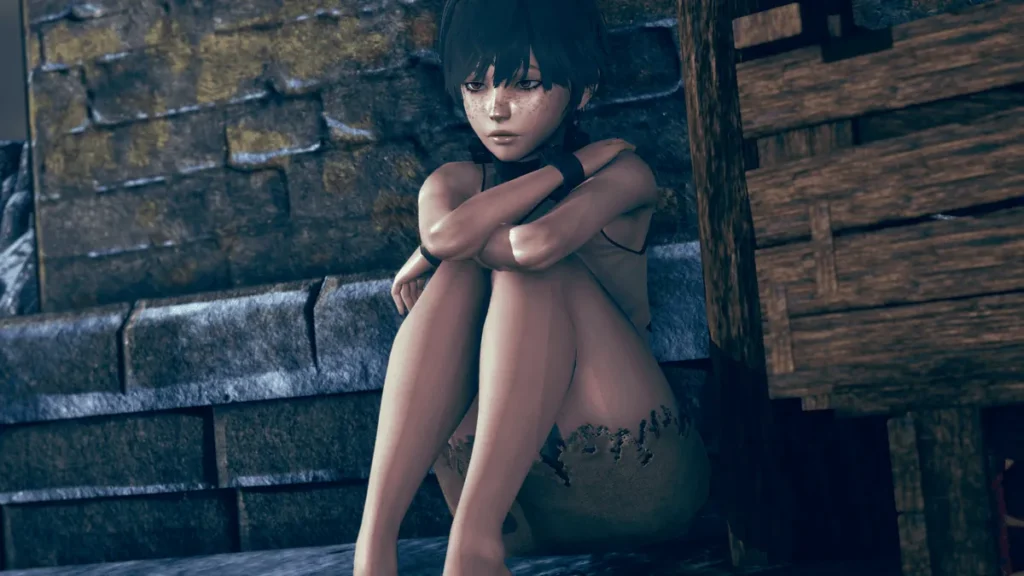
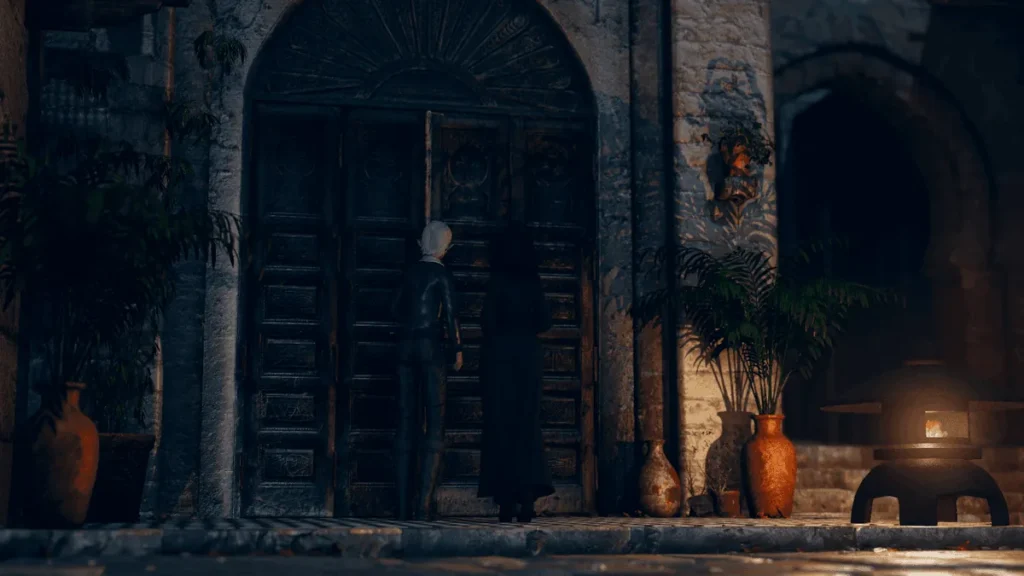
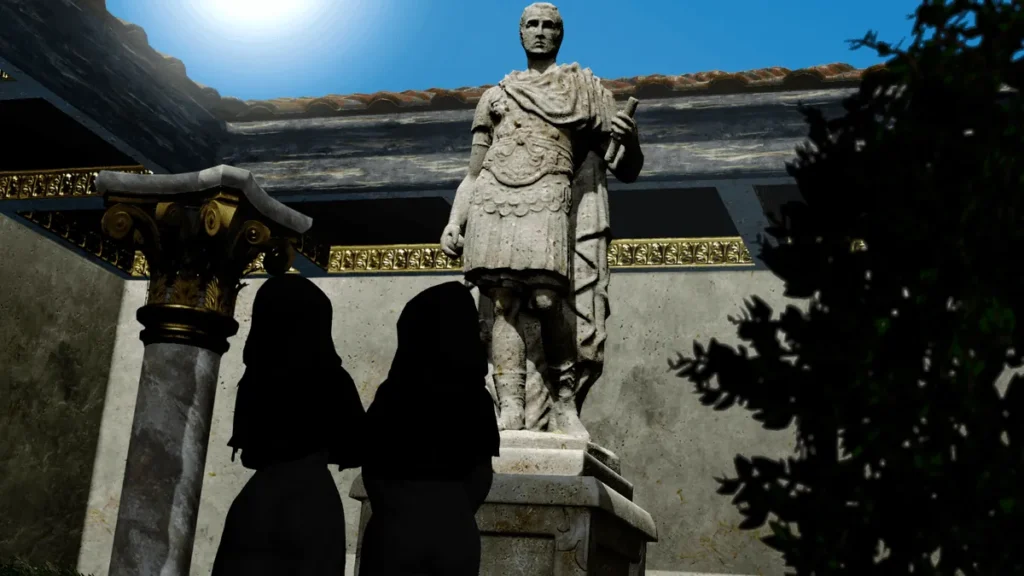
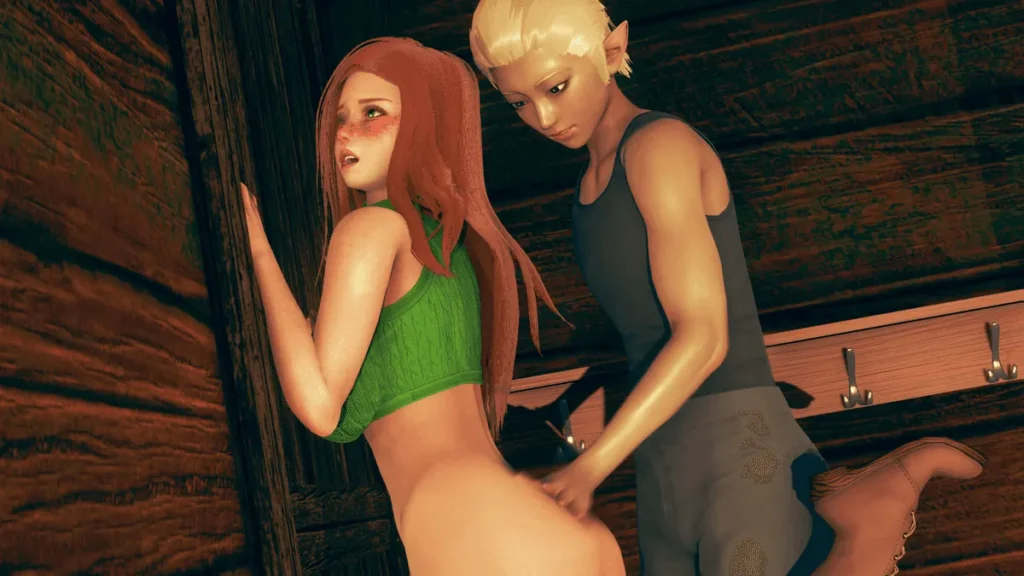
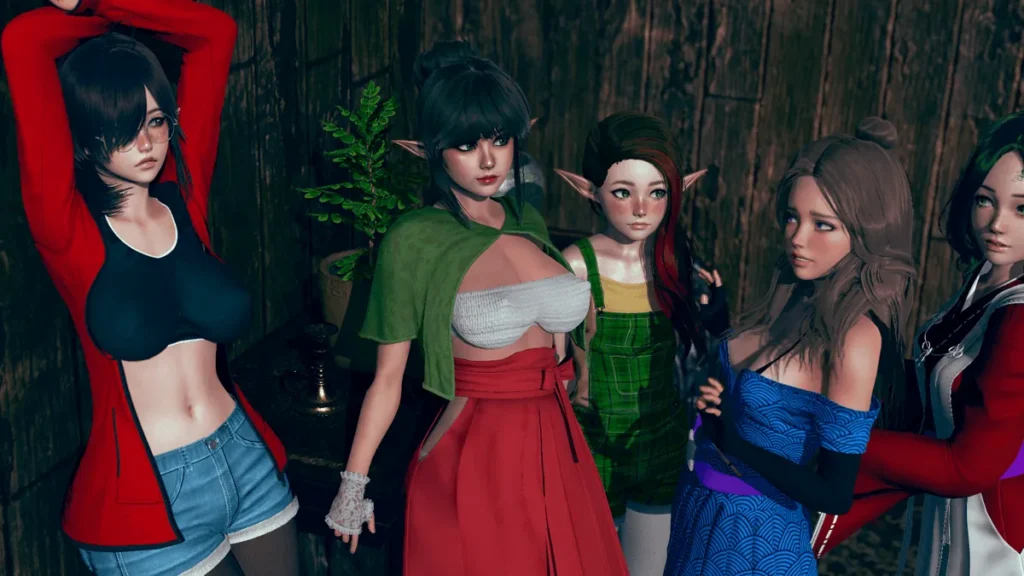
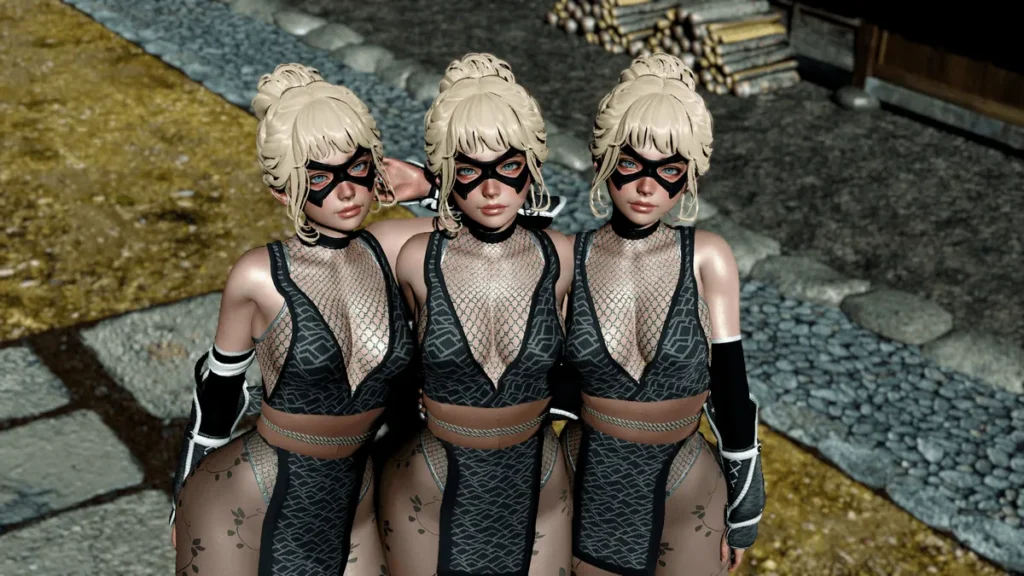
Stray Incubus review
Everything you need to know about this narrative-driven adult visual novel
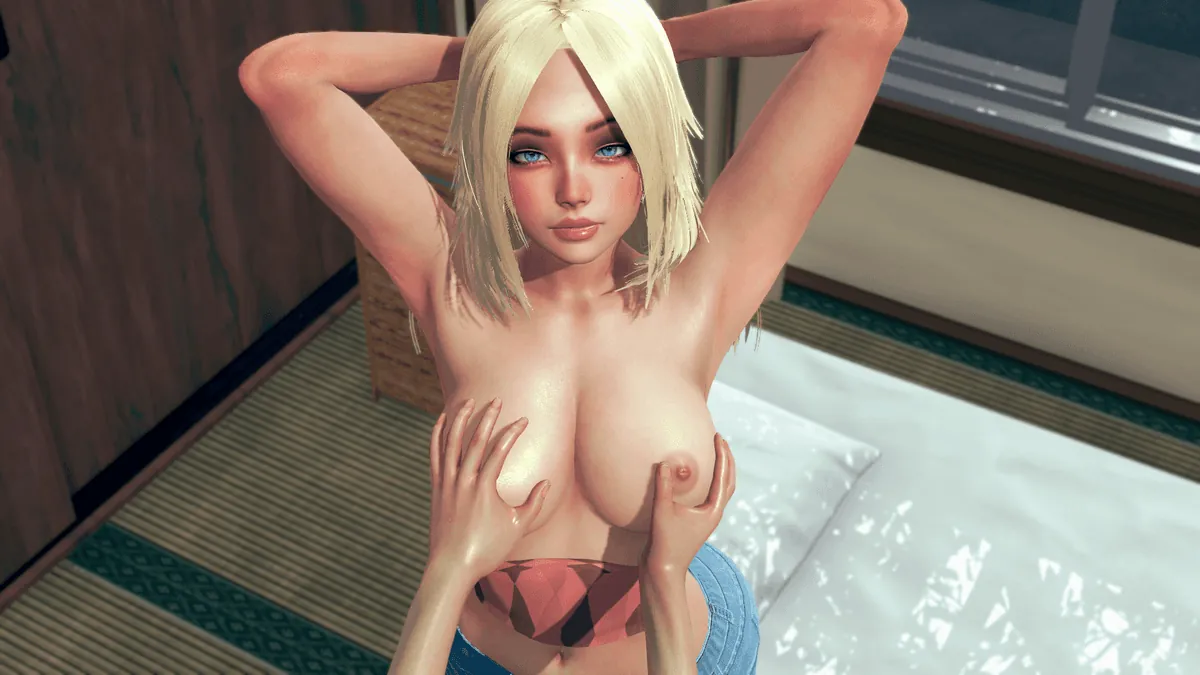
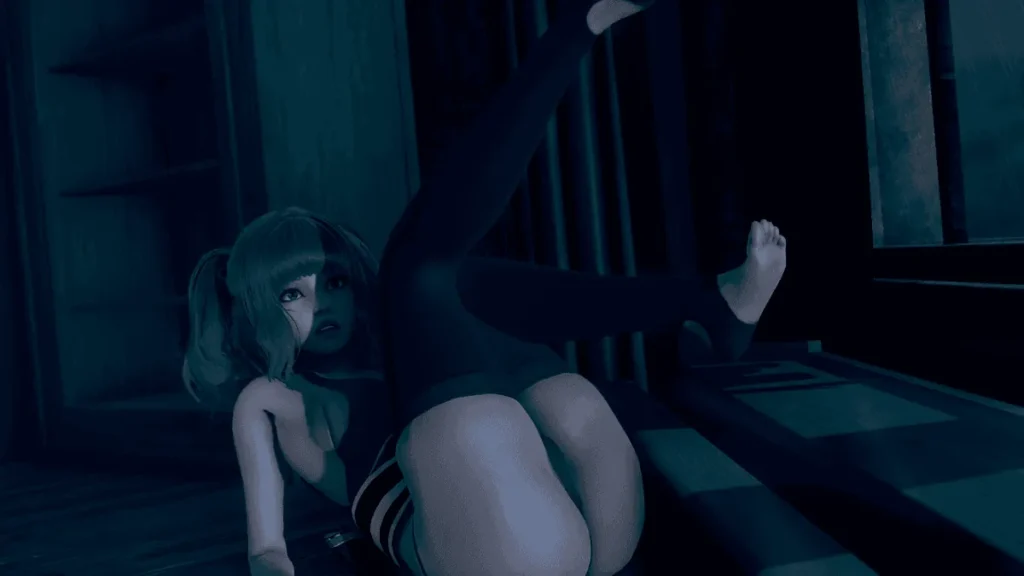
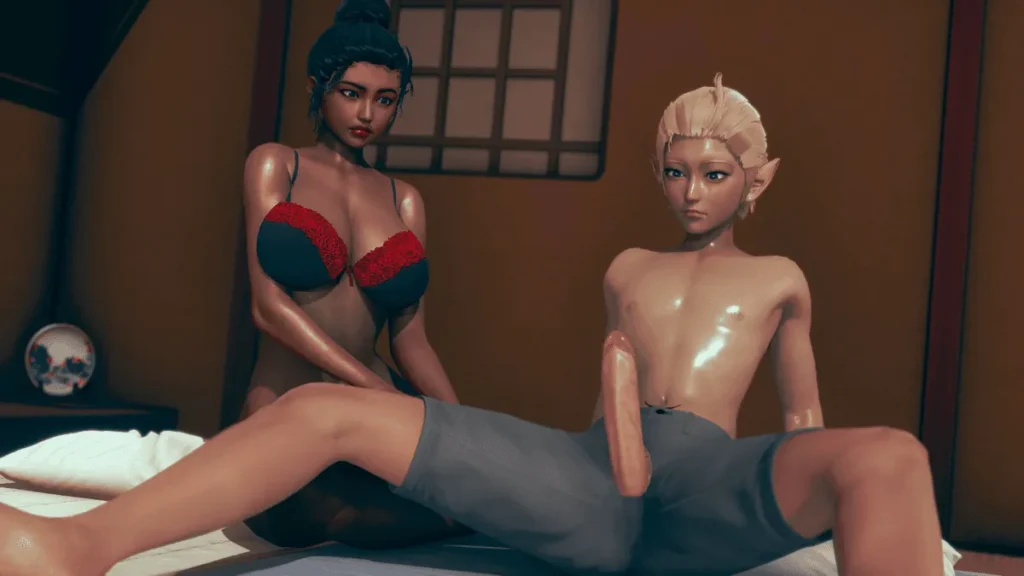
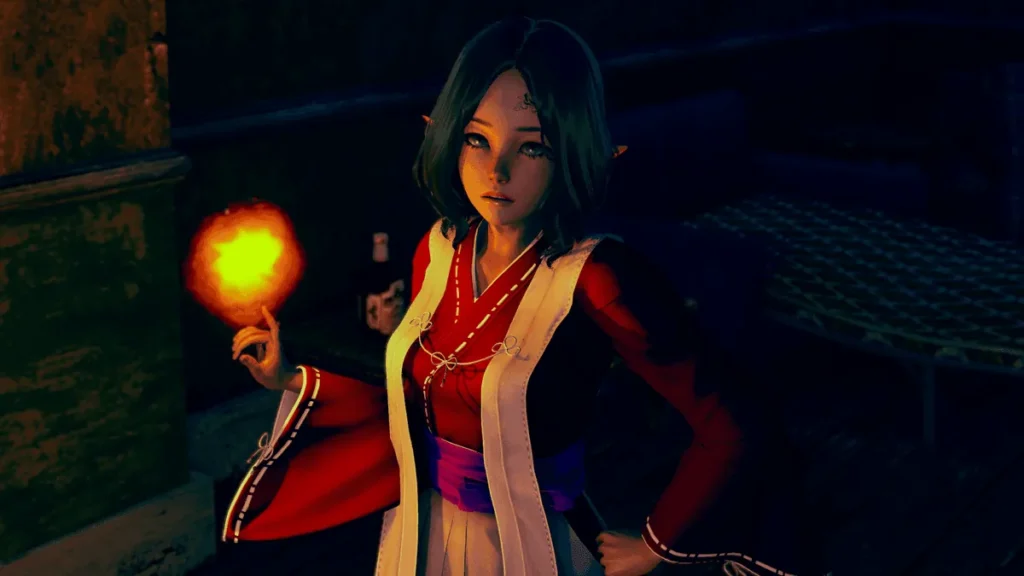
Stray Incubus is a narrative-driven adult visual novel that has garnered attention for its choice-based storytelling and character-driven gameplay. The game follows an incubus protagonist on an adventure filled with meaningful decisions that shape the narrative outcome. With recent development updates and platform expansions, Stray Incubus continues to evolve with new content and features. This guide explores the game’s core mechanics, storyline, available platforms, and what players can expect from this engaging title.
Understanding Stray Incubus: Game Overview and Story
Ever felt like you were just along for the ride in a story, screaming at a character not to do something obviously foolish? 😫 What if you could be the one making those calls, shaping a life that is part demon, part mystery, and entirely your own? Welcome to Stray Incubus, a game that hands you the reins to a truly unique fate. At its heart, the Stray Incubus game is a narrative-driven experience where your decisions don’t just suggest a path—they forge it, with lasting consequences that ripple through every relationship and story beat.
Forget passive watching; this is about active living inside a tale of identity, legacy, and desire. If you’ve been searching for a visual novel gameplay experience with real teeth, where every choice weighs on your soul (or lack thereof), you’ve just found your next obsession. Let’s pull back the curtain on this captivating world. ✨
What is Stray Incubus and Its Core Premise?
So, what exactly is this Stray Incubus game? Imagine a classic fantasy conflict: warriors and demons locked in an age-old war. Now, picture a single act of mercy that shatters the cycle. A hardened warrior, amidst the chaos of battle, discovers a demon child—not a monster, but an innocent. Instead of delivering a final blow, they choose compassion. This single, pivotal moment is the spark that ignites everything.
The warrior becomes a guardian, raising the child as their own, hidden from a world that would fear or destroy it. This child is you—our incubus protagonist. You grow up caught between two worlds: the disciplined, perhaps rigid, upbringing of your savior, and the innate, mysterious urges of your demonic heritage. You’re not a hero from prophecy, nor are you a villain mustache-twirling in a tower. You are a stray—a being out of place, learning what it means to exist in the gaps.
Years later, with the foundation of your unique upbringing set, the call to adventure whispers. Why leave? Maybe it’s curiosity about your origins. 🧬 Maybe it’s a need to define yourself outside of your guardian’s shadow. Or perhaps those incubus instincts are beginning to stir, pushing you toward experiences and connections you can’t find at home. This journey is the core of the Stray Incubus experience. It’s a deeply personal odyssey where you navigate a world that wasn’t built for someone like you, using the tools (and temptations) at your disposal.
The visual novel gameplay format is the perfect vehicle for this intimate story. Unlike fast-paced RPGs or action games, the focus here is squarely on the narrative and your role within it. You’ll spend your time reading evocative text, making critical decisions, and enjoying beautiful character artwork and scenes that bring this complex world to life. It’s a style that prioritizes character relationships and internal conflict over reflex-based challenges, making every moment feel deliberate and significant.
The Protagonist’s Journey: From Demon Child to Adult Adventure
Let’s talk about you, the star of the show. As the incubus protagonist, your background is your greatest source of conflict and potential. You weren’t born into a loving demon family; you were spared from death and given a chance at a different life. This creates a fascinating psychological landscape. Do you feel gratitude? Resentment? A confusing blend of both? Your guardian taught you one way to live, but your blood might sing a very different song. 🎶
This internal tug-of-war is the engine of your motivation. Your adventure isn’t about fetching a magical macguffin; it’s about answering fundamental questions: Who am I? What do I want? Can I choose my own nature, or am I bound by my biology? As you step into the wider world, every person you meet and every situation you face becomes a mirror held up to these questions.
The people you’ll encounter—other warriors, mysterious strangers, potential allies, or romantic interests—will all react to the truth of what you are. Some may offer acceptance, others fear, and some might see you as a tool or a threat. Building (or damaging) these character relationships is a central pillar of gameplay. A connection forged in trust might open up a secret path or provide crucial aid later. A bond broken through cruelty or deceit could slam a door in your face forever. The game masterfully weaves your personal search for identity with the social tapestry you create along the way.
I remember in my first playthrough, I met another outcast early on—someone shunned by their community. My instinct was to be kind, to connect with a fellow stray. That single decision, born from my own character’s empathy, unlocked entire scenes and support later in the story that were completely absent when I played more arrogantly. It taught me that in Stray Incubus, your personality isn’t just flavor text; it’s the key that unlocks (or locks) entire segments of the world. 🔑
Choice-Based Narrative System and Consequences
This brings us to the brilliant, beating heart of the Stray Incubus game: its choice-based narrative. This isn’t a game with “illusion of choice.” Your decisions are the architects of the story. From seemingly casual dialogue picks to major moral crossroads, the game is constantly tracking your actions, building a unique profile that determines how events unfold.
The system is powered by two main, interconnected mechanics:
- Alignment (Wicked vs. Pure): This is the compass of your soul. Will you lean into your incubus nature, embracing manipulation, seduction, and selfish desires? Or will you strive for the “Pure” ideals of compassion, honor, and selflessness taught by your guardian? Most choices nudge you one way or the other. This isn’t just a “good vs. evil” meter; it’s a spectrum of identity. A “Wicked” choice might be the most pragmatically useful in a situation, while a “Pure” choice could put you at a disadvantage but earn you deep respect.
- Relationship Values: Every major character has a hidden score reflecting their feelings toward you. Help them, understand them, or romance them, and that score rises. Betray them, insult them, or ignore their needs, and it plummets. These values directly influence which scenes you access, whose help is offered in a crisis, and even who survives certain story events.
The magic happens in the story choices and consequences. The game remembers everything. A lie told in Chapter 1 might be exposed in Chapter 4, destroying trust. A kindness shown to a minor character could have them return as a crucial ally when you least expect it. This creates a thrilling sense of cause and effect, making you truly ponder each option.
Tip: Don’t save-scum to try every option immediately! The beauty of Stray Incubus is living with your decisions. Treat your first playthrough as your authentic story. You can always replay to explore the branching storyline later! 😊
Let’s look at a concrete example of how this system intertwines.
Example: The Tavern Brawl
You’re in a tavern when a drunk patron begins harassing a server.
* Choice A (Pure/Compassionate): Intervene calmly, de-escalate the situation. You might spend some of your own coin to cover the patron’s tab and smooth things over.
* Consequence: Your Pure alignment increases slightly. The server’s relationship value with you soars. Later, they might offer you a free room or vital local gossip. The drunk leaves grumbling, but alive—a potential variable for later.
* Choice B (Wicked/Manipulative): Whisper to the drunk, amplifying his anger with subtle demonic influence, urging him to start a fight with someone else.
* Consequence: Your Wicked alignment increases. You avoid direct conflict. The server is unharmed but unaware you helped, so no relationship change. The tavern gets damaged, possibly lowering your standing with the owner. The drunk becomes a violent tool you used and discarded.
* Choice C (Neutral/Apathetic): Do nothing. Just watch.
* Consequence: No alignment shift. The server’s relationship value with you decreases (they notice your inaction). The situation resolves on its own, possibly violently, closing off paths tied to both the server and the drunk.
See how one moment can spray out in multiple directions? This is the choice-based narrative in action. Every playthrough becomes a unique tapestry based on thousands of these micro-decisions, leading to dramatically different endings. The branching storyline isn’t just about picking Ending A, B, or C at the finale; it’s about the journey you carve to get there, with entire character arcs and locations appearing or vanishing based on your cumulative history.
To visualize how these systems guide the narrative, here’s a breakdown of a key early-game decision and its potential long-tail effects:
| Your Decision | Immediate Stat Change | Short-Term Consequence | Potential Long-Term Branch |
|---|---|---|---|
| Spare a captured enemy scout. | +Pure; +Scout’s Relationship | You gain info about a secret path. Your companion questions your judgment. | The scout may aid you as a spy later. Your companion’s trust might be harder to earn. |
| Execute the scout for information. | +Wicked; +Companion’s Relationship | You get rough intel immediately. Your companion approves of your toughness. | You lose a potential ally. A different, more hostile faction may hunt you earlier. |
| Hand the scout over to authorities. | Minor +Pure; No relationship shift | You get a small reward. The matter is out of your hands. | The story thread closes neatly. You miss both the risks and rewards of the other paths. |
This level of depth makes replayability off the charts. You’re not just clicking through different dialogue; you’re exploring entirely different facets of the world and the incubus protagonist you are shaping.
FAQ: Navigating the Choice and Consequence System
- Q: Can I max out both Pure and Wicked alignment?
- A: No, they exist on a sliding scale. The game is about defining a coherent identity. While you can hover in the middle, extreme choices will push you toward one dominant alignment, which unlocks specific late-game story branches and dialogue options.
- Q: Do I need to romance everyone to see all the content?
- A: Absolutely not! In fact, trying to romance everyone can backfire spectacularly and damage character relationships. The branching storyline is designed so that committed, focused relationship paths often yield the deepest, most content-rich narratives. You cannot see everything in one go—and that’s the point!
- Q: How obvious are the consequences? Will I know I made a “bad” choice?
- A: Rarely. The game avoids simplistic “right/wrong” labels. A consequence might seem negative now (e.g., making an enemy) but open up a fascinating, challenging narrative path you wouldn’t have seen otherwise. The “best” choice is the one that feels true to the character you’re role-playing.
- Q: Is there a “point of no return” where my choices are locked in?
- A: While you can influence your path until the very end, major plot branches often diverge based on cumulative choices made over several chapters. Sometimes, failing to build a relationship past a certain point before a key event will permanently close that path. Pay attention to the story’s rhythm!
Ultimately, Stray Incubus is more than a game; it’s a playground for identity. It asks you, “What kind of being will you become?” and then provides the tools—a rich choice-based narrative, profound story choices and consequences, and a web of impactful character relationships—to answer that question in a uniquely personal way. Your adventure, your rules, your legacy. Now, go see where your choices lead. 🎭
Stray Incubus stands out as a choice-driven narrative experience that prioritizes player agency and meaningful storytelling. The game’s foundation rests on a compelling premise of a demon child raised by a warrior, growing into an adult ready to explore the world. With its consequence-based system, players shape their own story through decisions that affect character relationships and stat progression. The game’s availability across multiple platforms—PC, Android, and web-based access—makes it accessible to a wide audience. Recent development updates show the project is actively maintained with new content in progress, ensuring the community continues to receive fresh experiences. Whether you’re interested in visual novels, choice-based narratives, or character-driven stories, Stray Incubus offers an engaging experience worth exploring.